PVC Membrane for Roofs That See Grease and Chemical Exposure
PVC is the membrane we reach for when a roof deals with something most don't , rooftop grease exhaust from a food-service tenant, chemical fumes from a manufacturing process, or fuel and oil exposure near loading docks. Other single-ply membranes degrade under that kind of exposure. PVC generally doesn't, which is why we specify it deliberately rather than defaulting to it everywhere.
Where Chemical Resistance Actually Matters
Fort Smith has a mix of light manufacturing and food-processing tenants whose rooftop exhaust carries grease, oils, or process chemicals that will break down a standard TPO or EPDM membrane over a few years. We see it most on strip retail with restaurant tenants and on plants with rooftop process venting.
PVC's chemical composition resists that kind of exposure far better, which is why it's the default recommendation any time a roof has known grease or chemical contact, even if the rest of the building would otherwise call for TPO.
We ask about rooftop exhaust sources during every scope conversation, not only for restaurants , light manufacturing tenants sometimes vent solvents or process chemicals through rooftop curbs that aren't obvious from a ground-level walk-through, and missing that detail is how a membrane gets mismatched to a building.
Hot-Air Welded Seams
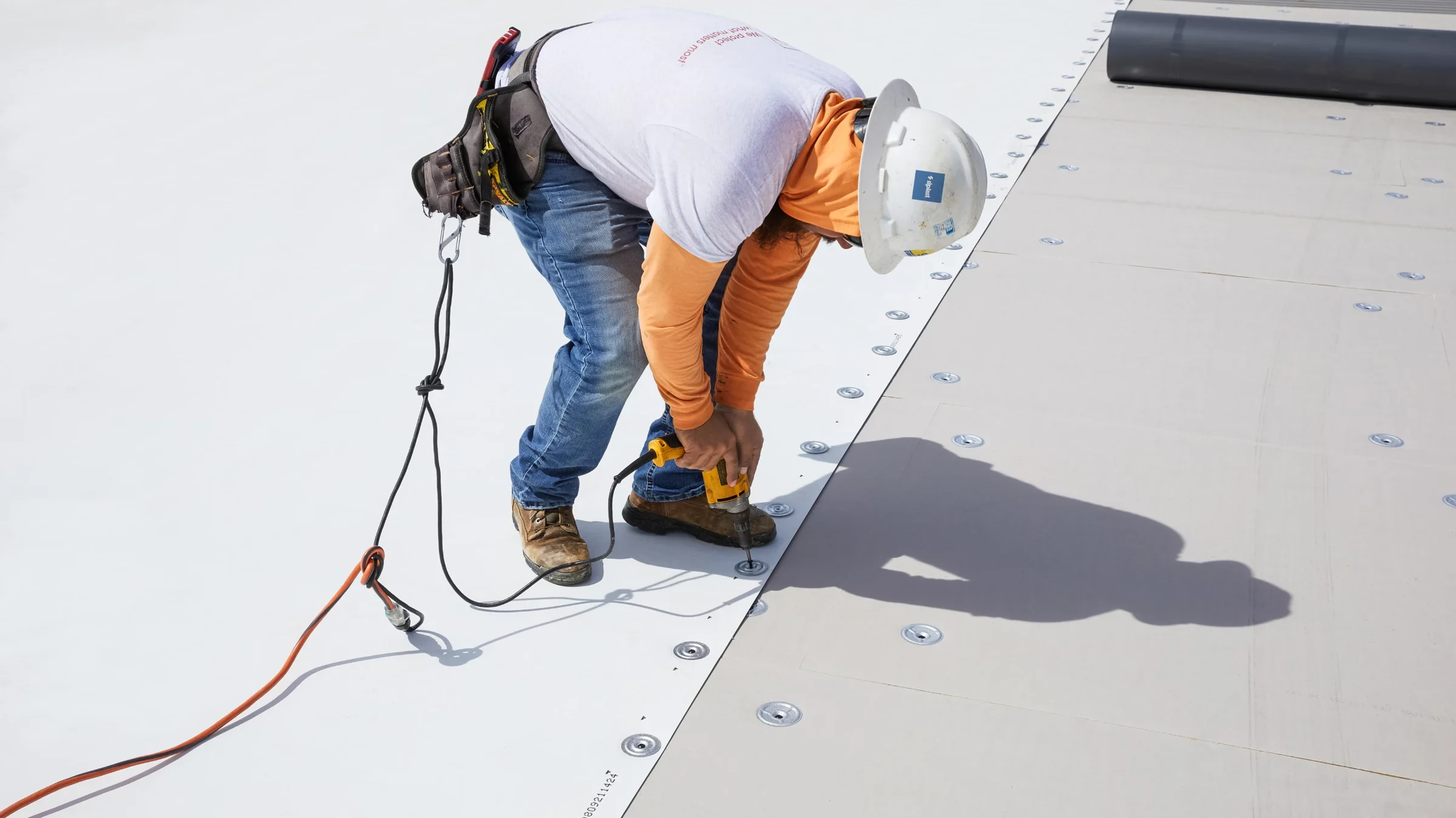
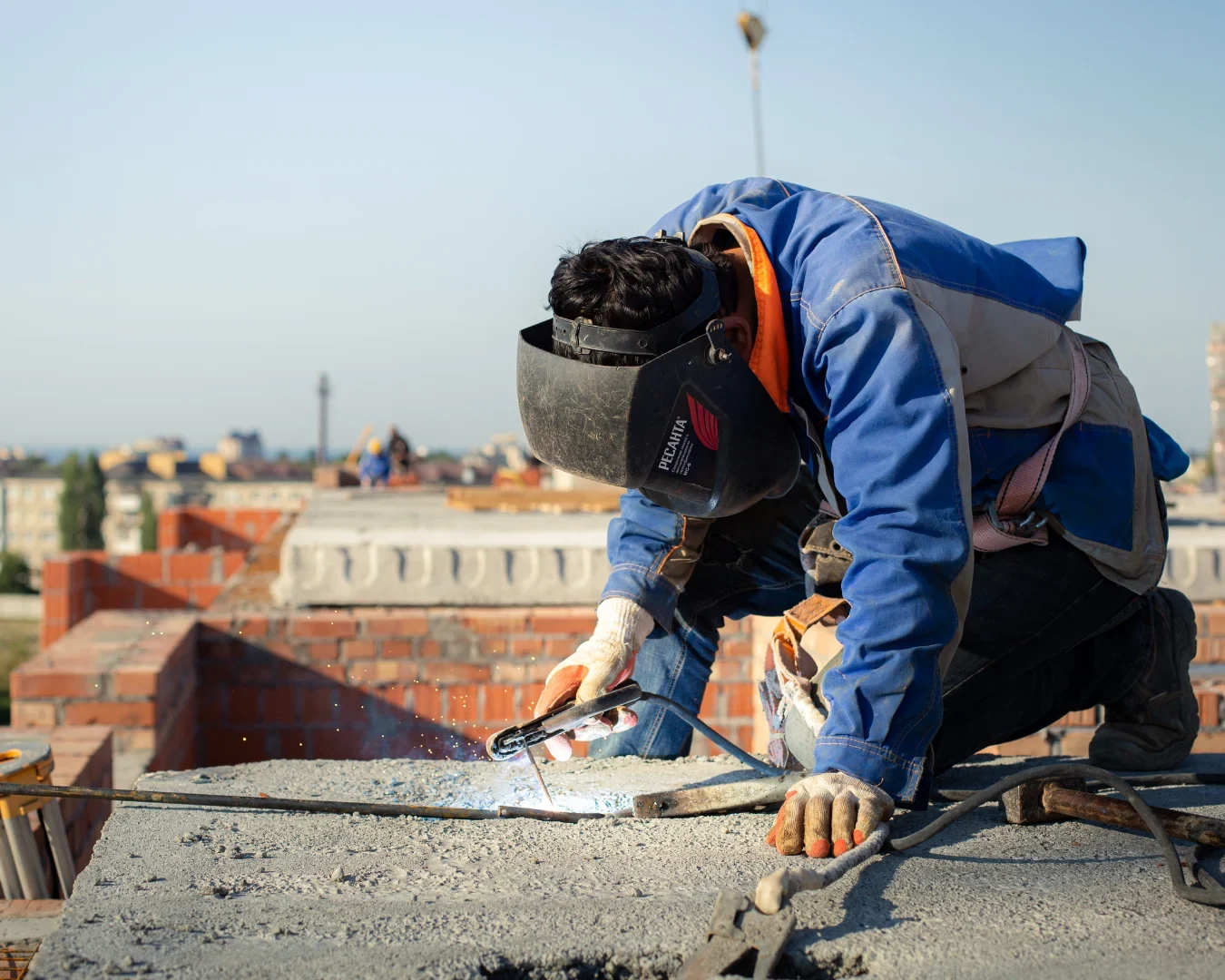
Like TPO, PVC seams are welded with hot air rather than glued or taped, which produces a strong, monolithic seam when done correctly. We probe test every seam during installation and re-check seam integrity on repair calls, since a poorly welded seam is the most common point of failure on any PVC roof we're asked to troubleshoot.
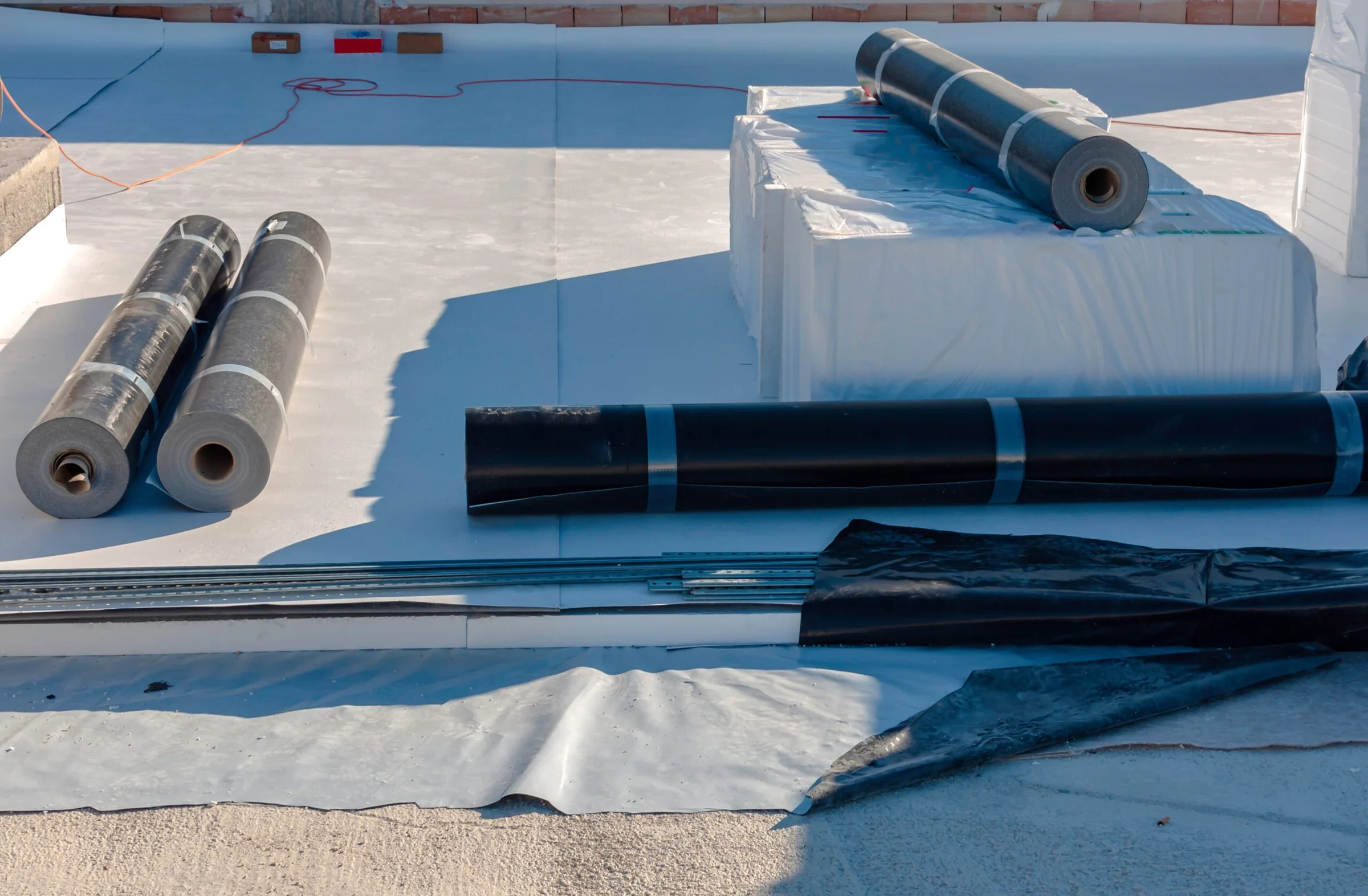
PVC sheets typically come with a reinforcing scrim that adds puncture and tear resistance, which matters on roofs with regular foot traffic to service rooftop equipment.
Fire Rating and Occupied Buildings
PVC's inherent flame resistance is part of why it shows up often on buildings with strict fire code requirements , schools, medical buildings, and certain manufacturing occupancies. We confirm the specific code requirements for a given building type before finalizing a membrane recommendation, since requirements vary by occupancy classification and jurisdiction.
This comes up regularly on projects tied to the medical and educational buildout around Chaffee Crossing, where occupancy type drives fire-code requirements that a standard TPO or EPDM specification may not satisfy. We flag that early in design conversations rather than after a membrane has already been ordered.
Cold Weather Flexibility During Ice Events
Our winters bring occasional ice storms that coat rooftops and add weight to parapets and equipment. PVC stays reasonably flexible in cold temperatures, which reduces the risk of cracking during freeze-thaw cycling compared to some older membrane chemistries.
On a PVC reroof or repair in winter conditions we still plan around temperature limits for welding, since hot-air welds need the membrane and ambient conditions within a workable range to form a proper bond.
What We Check on Existing PVC Roofs
Existing PVC roofs age differently than TPO or EPDM , plasticizer migration over decades can make older PVC membrane stiffer and more prone to seam stress. On inspection calls we look at:
- Seam condition at every welded lap, not only a visual spot-check
- Membrane flexibility and any surface chalking or brittleness
- Grease or chemical staining patterns that indicate exhaust exposure
- Flashing integrity at curbs serving process or exhaust equipment
- Drain condition, since grease residue can slow drainage over time
Working With General Contractors on New Construction
Food-service buildouts, medical facilities tied to the growing Chaffee Crossing campus, and manufacturing additions with rooftop process equipment all come with membrane requirements that need to be settled early in design, not discovered after the roof is already framed. We review specs with general contractors and architects before bid to confirm PVC is called out correctly wherever grease, chemical, or fire-code exposure applies.
Catching a membrane mismatch during design saves a change order later , we've seen projects specify TPO on a roof that was always going to carry restaurant exhaust, which is a correction that's far cheaper to make on paper than after installation.
PVC Roofing Questions We Get Locally
Is PVC more expensive than TPO?
Generally yes, PVC costs more upfront than TPO. For buildings with grease, chemical, or fire-code drivers, the added cost is usually justified by performance TPO can't match in those conditions. We walk owners through the cost difference against the specific exposure risk before recommending it.
Can PVC be installed over an existing TPO roof?
It depends on the condition and attachment of the existing roof and whether it clears code's layer limit. We evaluate the existing system before recommending recover versus tear-off, since membrane compatibility at the interface also factors into that decision.
Does PVC handle hail well?
PVC's reinforcing scrim gives it good impact resistance, though severe hail can still cause damage. We inspect PVC roofs after significant hail events the same as any other membrane.
How do you know if a roof needs PVC instead of TPO?
Known grease, chemical, or fuel exposure is the main driver, along with specific fire-code requirements tied to occupancy type. We'll flag it during the initial roof walk if it applies.
Do you repair PVC roofs you didn't originally install?
Yes. PVC welding technique is specific, and we've repaired plenty of PVC roofs installed by other contractors, matching weld method to the existing membrane's condition and age before starting any repair work.