Modified Bitumen for Low-Slope Additions and Retrofit Work
Modified bitumen shows up constantly on additions, mechanical penthouses, and smaller low-slope sections of larger Fort Smith buildings, often tying into an existing built-up or single-ply roof nearby. It's a redundant, multi-layer system that tolerates the kind of rough handling a busy commercial roof gets.
Torch-Applied Versus Self-Adhered
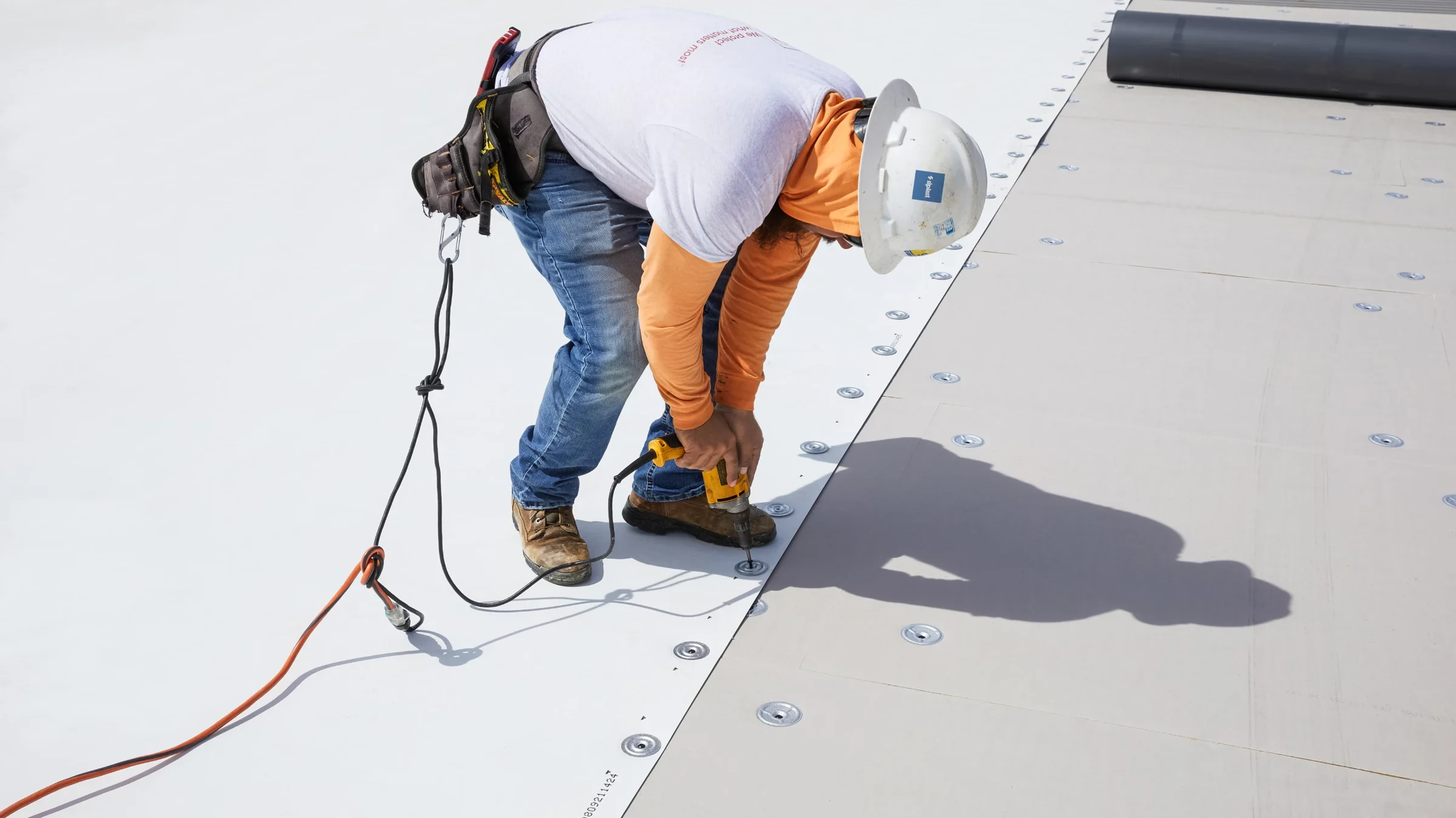
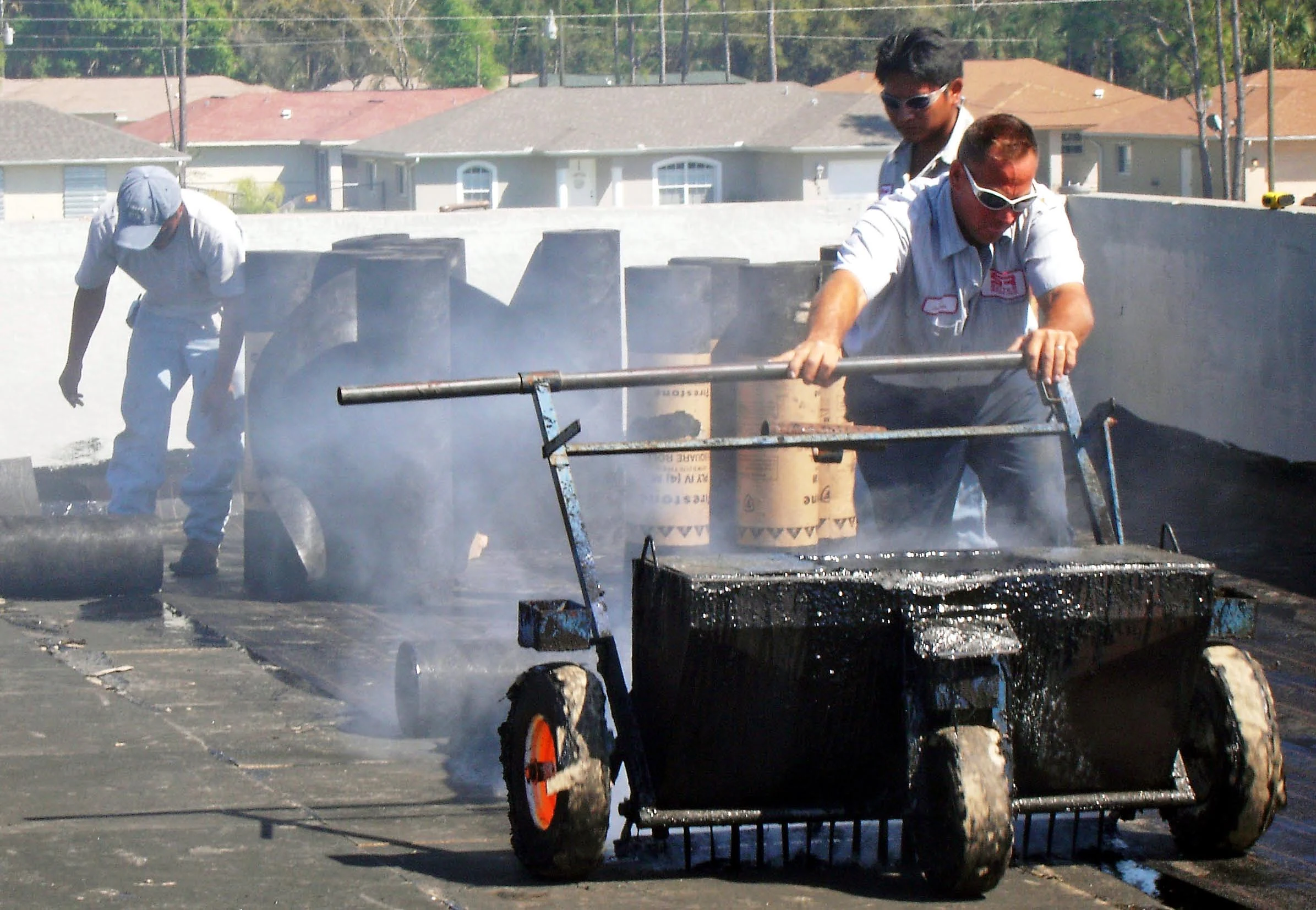
Torch-applied modified bitumen uses heat to melt the asphalt backing and bond the sheet to the substrate, producing a strong, monolithic seal but requiring open-flame work that isn't always practical on occupied buildings or near sensitive rooftop equipment. Self-adhered sheets skip the torch, using a peel-and-stick backing instead, which is our default choice on occupied manufacturing or retail buildings where flame work raises operational concerns.
Cold-applied adhesive systems are a third option for situations where neither torch nor self-adhered fits the building's constraints. We match the method to the building's occupancy and the work conditions on the day of installation.
Ambient temperature matters more with modified bitumen than with most other membranes , self-adhered products need enough surface warmth to activate their adhesive properly, which shapes how we schedule application during our cooler winter stretches versus the hot summer months when heat can make the material harder to position before it grabs.
Why Redundancy Matters Here
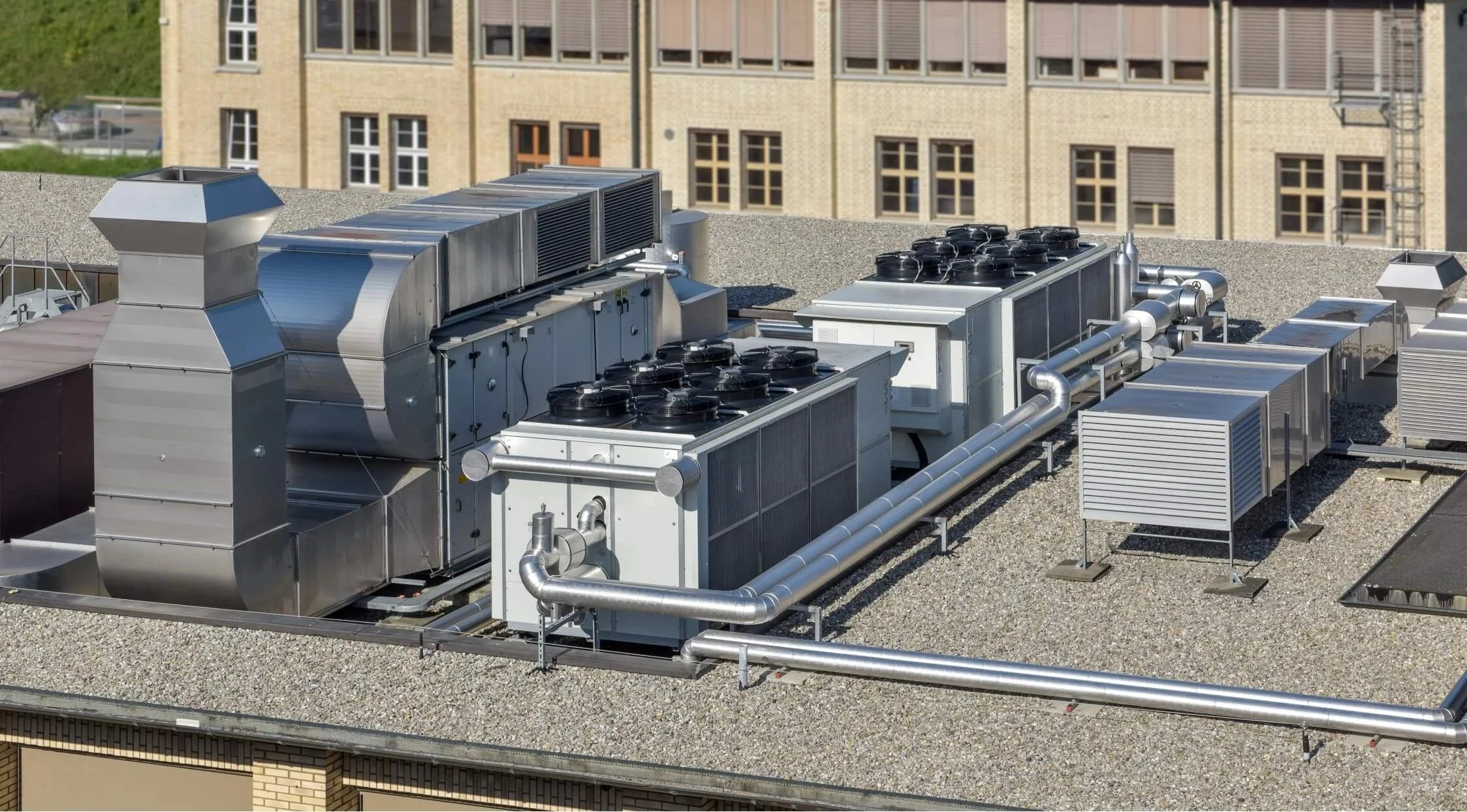
A modified bitumen roof is typically built in two or more plies, so a puncture or seam issue in the top layer doesn't automatically mean a leak reaches the deck. That redundancy is valuable on roofs with heavy foot traffic to service rooftop units, which describes a lot of the manufacturing and distribution buildings we work on around Fort Smith.
The base ply and cap sheet also don't have to be identical materials, which lets us tailor the system , a more puncture-resistant base under a highly reflective granulated cap, for example, on a roof with known foot traffic patterns.
Granulated Cap Sheets and UV Protection
The mineral granules embedded in a modified bitumen cap sheet do the heavy lifting against UV degradation, protecting the asphalt underneath from the sun exposure that eventually makes an unprotected asphalt surface brittle. We check granule loss during every inspection, since bald patches on a cap sheet are an early warning sign of accelerated UV wear well before a leak develops.
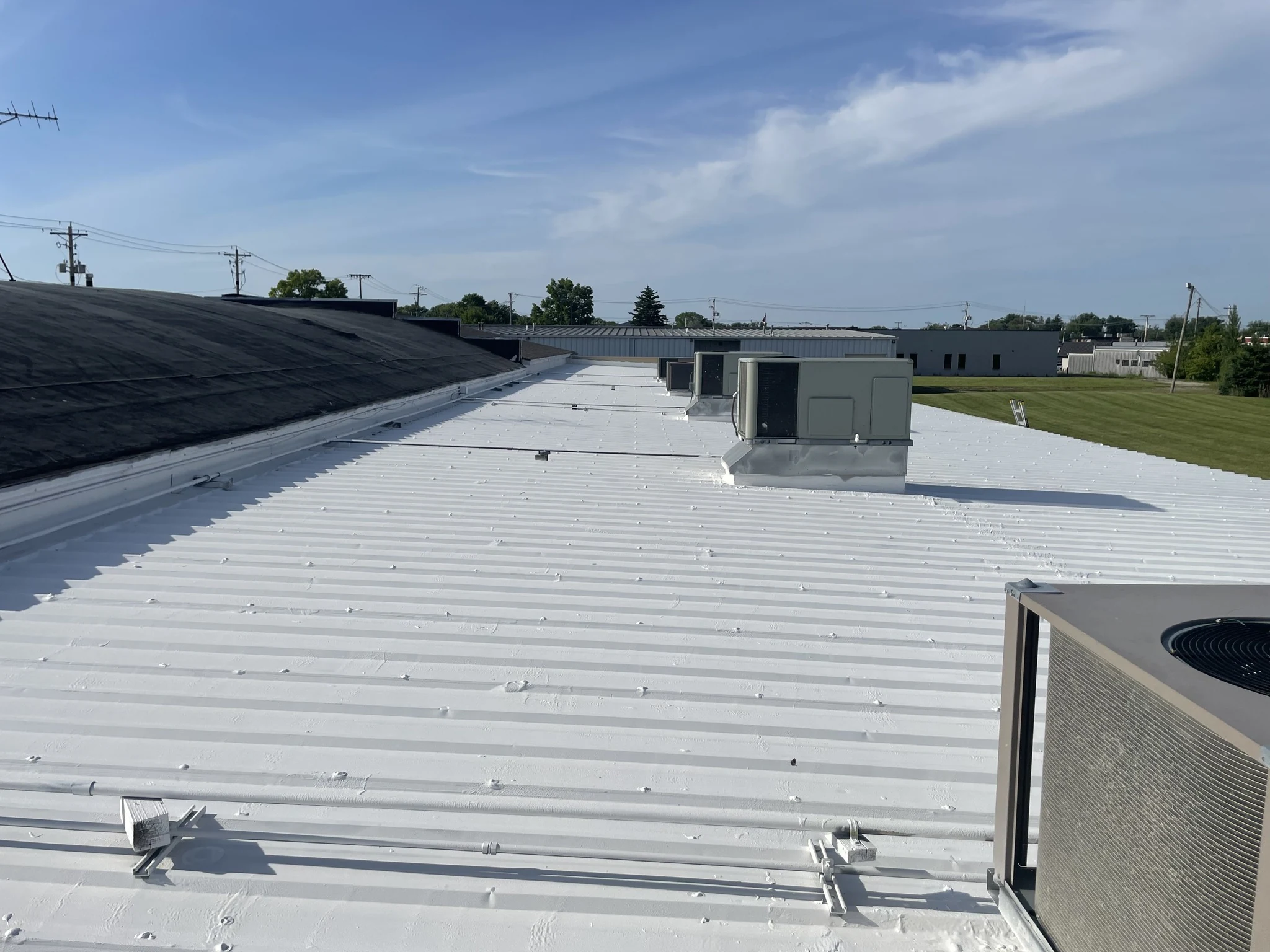
Cap sheet color also affects rooftop temperature the same way membrane color does on a single-ply roof. A lighter, reflective granule blend runs cooler through our hot summer stretch than a dark traditional cap sheet, which is worth discussing on additions where cooling load matters to the owner.
Working Around Occupied Buildings
Torch work on an occupied building means coordinating with tenants around fire watch requirements, smoke, and asphalt odor that travels through HVAC intakes if we're not careful about wind direction and intake locations. Our approach on occupied jobs typically includes:
- Scheduling torch work during lower-occupancy hours where possible
- Posting fire watch per code requirements during and after torch application
- Positioning work to keep smoke and odor away from HVAC fresh-air intakes
- Staging materials to minimize open flame exposure time on the roof
- Communicating the work schedule to building management in advance
Tie-Ins to Existing Roof Systems
Modified bitumen frequently has to tie into an adjacent TPO, EPDM, or built-up section on the same roof, and that transition detail is where a lot of leaks originate if it's not done carefully. We treat every dissimilar-membrane tie-in as its own detail, not an afterthought at the end of the job, with termination and flashing specific to both materials involved.
Insulation and Slope Underneath the Membrane
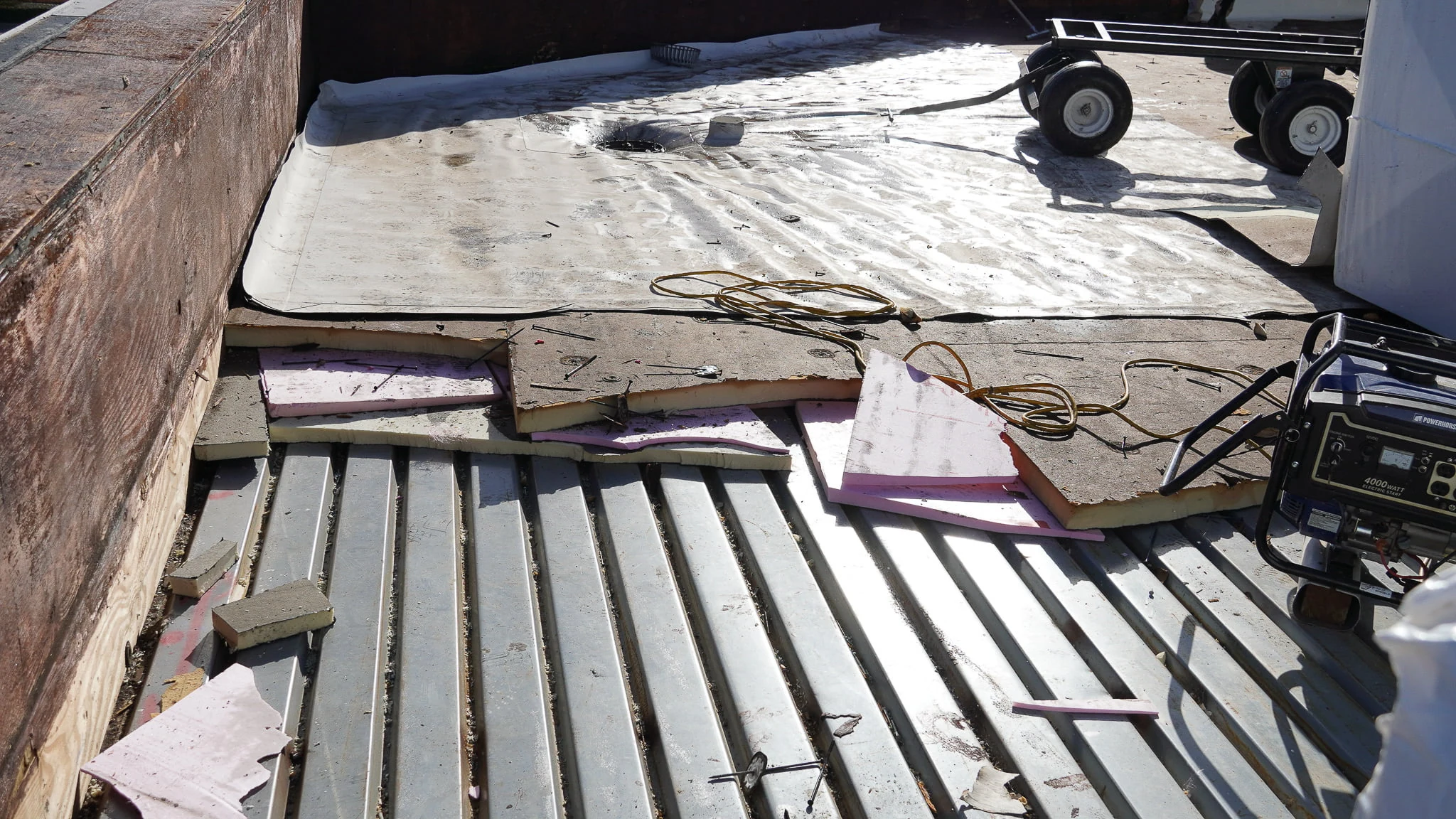
A lot of modified bitumen work happens on penthouse additions and mechanical roof sections where slope was an afterthought in the original design. We pair tapered insulation with a modified bitumen system where drainage is marginal, correcting the slope problem at the same time we're already opening the roof for a new membrane, rather than leaving a flat-pitched trouble spot to keep ponding after the reroof.
On additions tying into an older section of roof, we also check that insulation R-value in the new area is reasonably consistent with the adjacent roof, since a thermal mismatch at the tie-in can drive condensation problems underneath the deck over time.
Modified Bitumen Questions We Field Locally
Is torch-applied modified bitumen safe on an occupied building?
It can be, with proper fire watch, staging, and coordination. On buildings where flame work isn't practical, we typically recommend a self-adhered system instead. We evaluate that during scoping, not after crews are already staged on site.
How long does modified bitumen last in this climate?
Life expectancy varies by ply count, cap sheet quality, and UV exposure. Multi-ply systems with a granulated cap generally outperform single-ply cap sheets under our summer sun.
Can modified bitumen tie into a TPO roof?
Yes, with a properly detailed transition. Dissimilar membrane tie-ins need specific flashing and termination work, which we treat as a distinct detail in the scope.
What does granule loss on my cap sheet mean?
It usually signals accelerated UV exposure at that spot, sometimes from foot traffic wearing granules away. It's worth flagging before it progresses to membrane brittleness.
Do you use modified bitumen on new construction or mainly repairs?
Both, though we see it most on additions, penthouse roofs, and tie-in sections rather than as the primary system on a large new-construction roof. We'll recommend it directly when the building and budget call for it.