SBS Modified Bitumen for Multi-Ply Durability
SBS modified bitumen is the roof system we recommend when a building owner wants the redundancy of a multi-ply built-up-style roof with better flexibility than traditional asphalt built-up roofing. It shows up most on older commercial buildings around downtown Fort Smith and Van Buren where the roof was originally built-up and a modified bitumen recover or replacement fits the existing deck and parapet detailing.
Why SBS Rubber Modification Matters
SBS stands for styrene-butadiene-styrene, a synthetic rubber compound blended into the asphalt to give the membrane real flexibility across a wide temperature range, instead of the brittleness that plain asphalt roofing shows in cold weather. That flexibility is a direct answer to two things this market deals with every year: hard summer heat that makes plain asphalt soften and flow, and occasional hard winter freezes that make it crack. SBS-modified sheets resist both extremes better than unmodified asphalt.
The multi-ply structure , typically a base sheet plus a cap sheet, sometimes more plies depending on the system , gives the roof redundancy that a single-ply membrane does not have. If the top ply is compromised at one spot, the layer below is still there doing its job, which is part of why we still spec modified bitumen on buildings where an owner wants that layered protection.
Hail Impact and Granule Surfacing
Cap sheets typically come with a mineral granule surface, which provides some inherent impact cushioning against hail , the granules absorb and disperse strike energy at the surface layer. After significant hail events, granule loss is the main thing we inspect for, since bare spots where granules have been knocked loose expose the underlying asphalt to UV degradation faster. We document granule loss patterns as part of any storm damage inspection on a modified bitumen roof, photographing bare spots and cataloging their location relative to roof zones so that the documentation reads clearly if it later supports an insurance claim.
Torch-Applied Versus Cold-Adhesive Installation
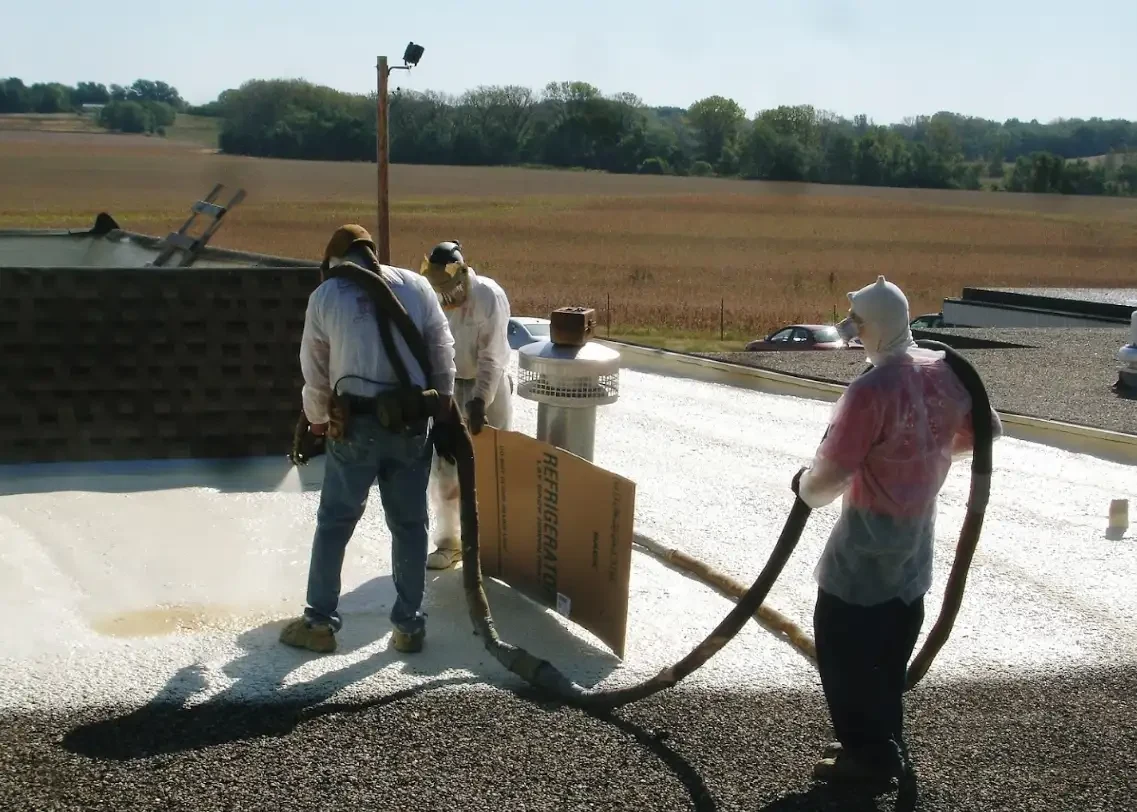
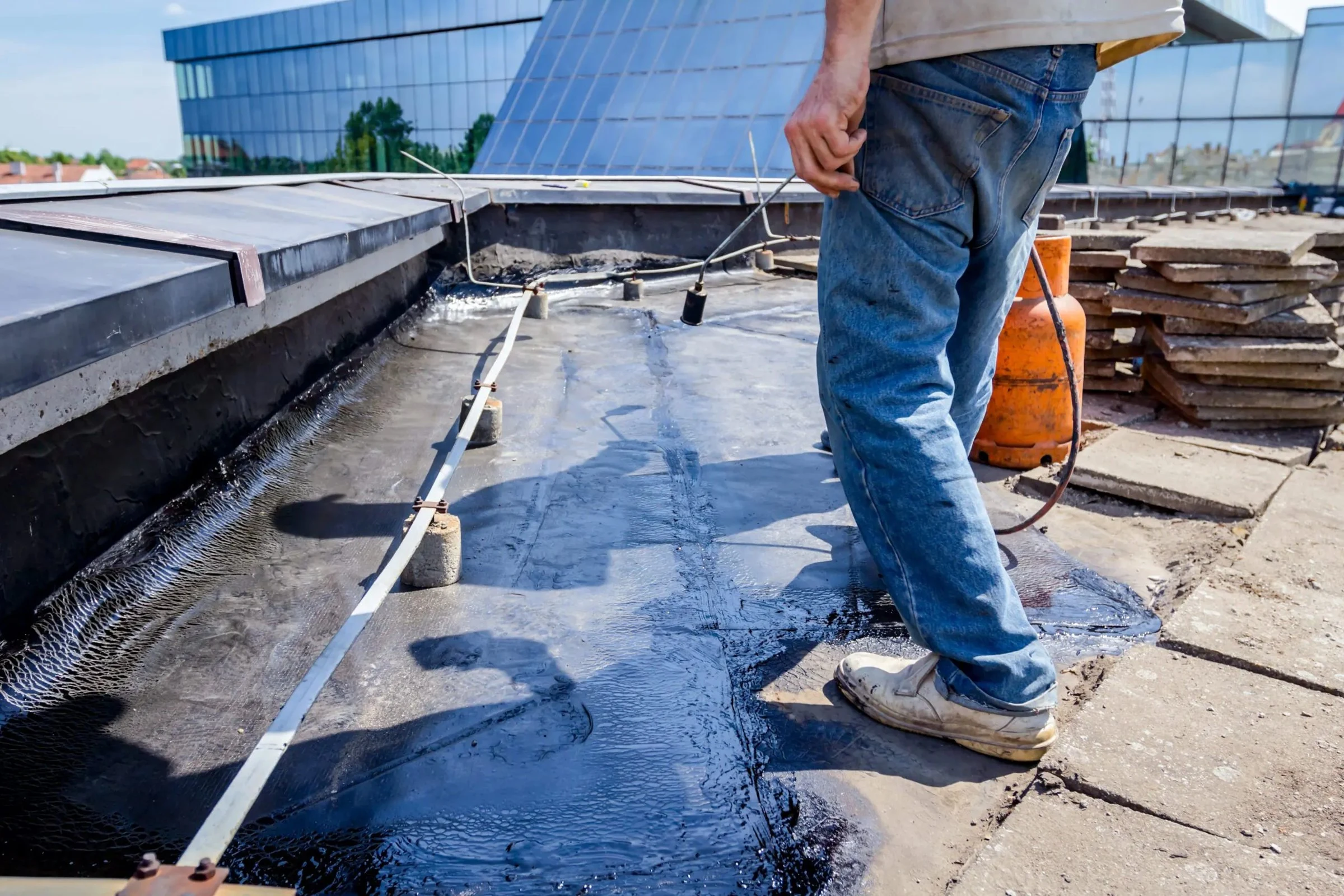
SBS modified bitumen can be installed by torch-applying the sheet's underside asphalt to fuse it to the substrate, or by using cold-process adhesive that avoids open flame entirely. On occupied buildings, buildings near hazardous storage, or jobs where local fire code and insurance carrier requirements favor it, we use cold-adhesive application. Torch-applied installation, done correctly with proper fire watch procedures, gives a strong monolithic bond and remains standard on many re-roofs where conditions allow it.
- SBS-modified base and cap sheet, torch-applied or cold-adhesive
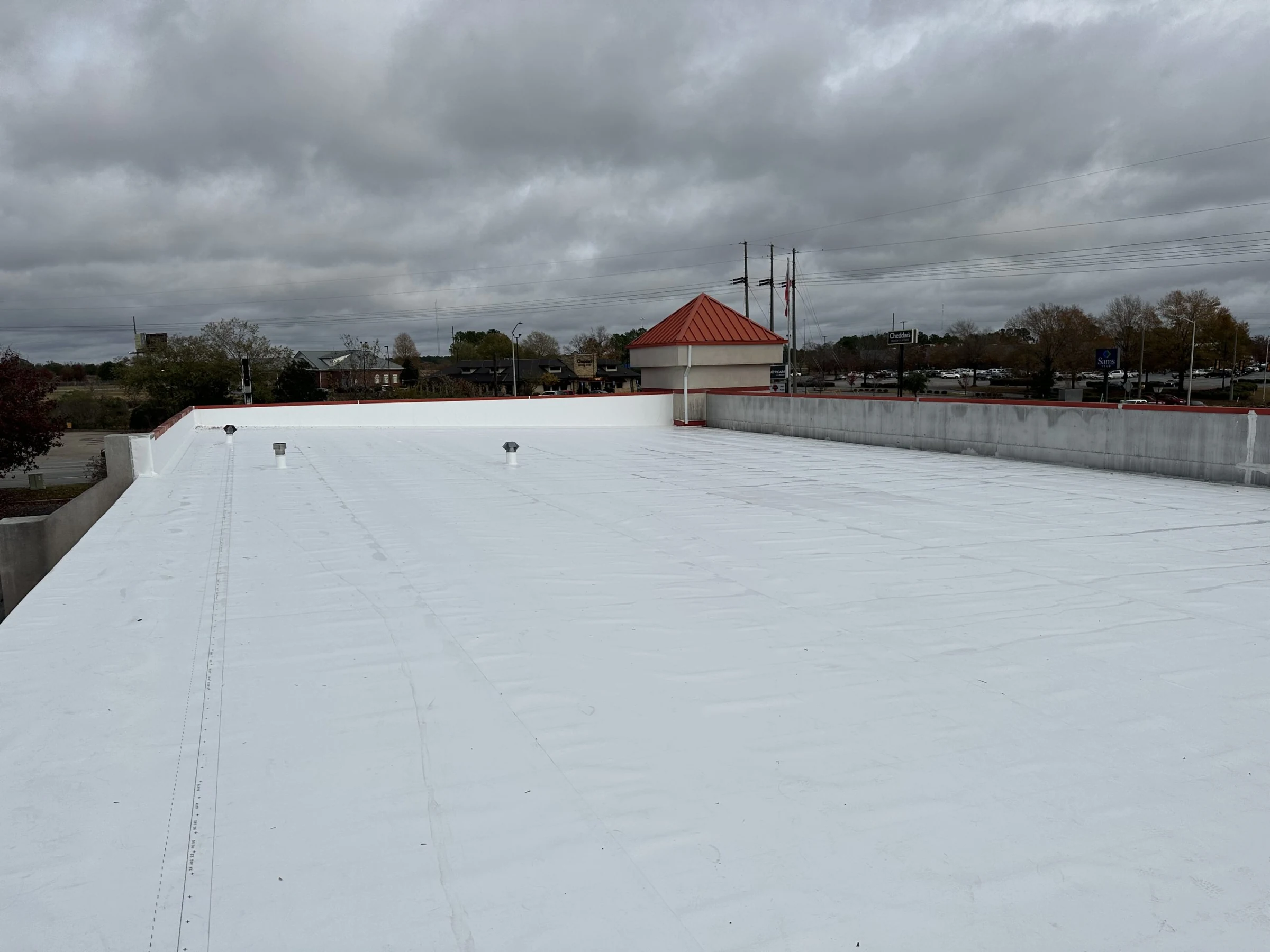
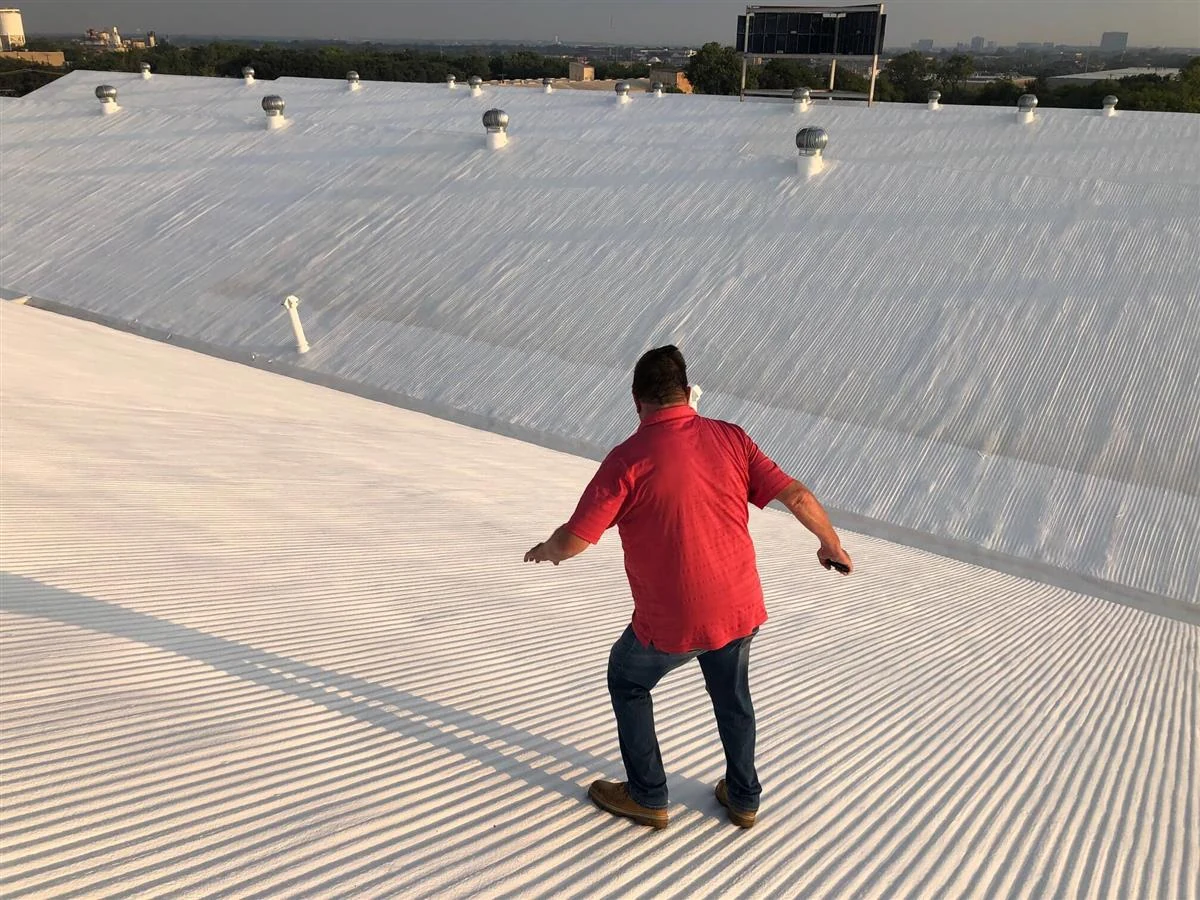
- Mineral granule cap sheet surfacing standard, reflective coatings available
- Multi-ply redundancy for added protection against localized damage
- Flexible across wide temperature range, resisting both heat softening and cold cracking
- Reinforced flashing at parapets, drains, and roof penetrations
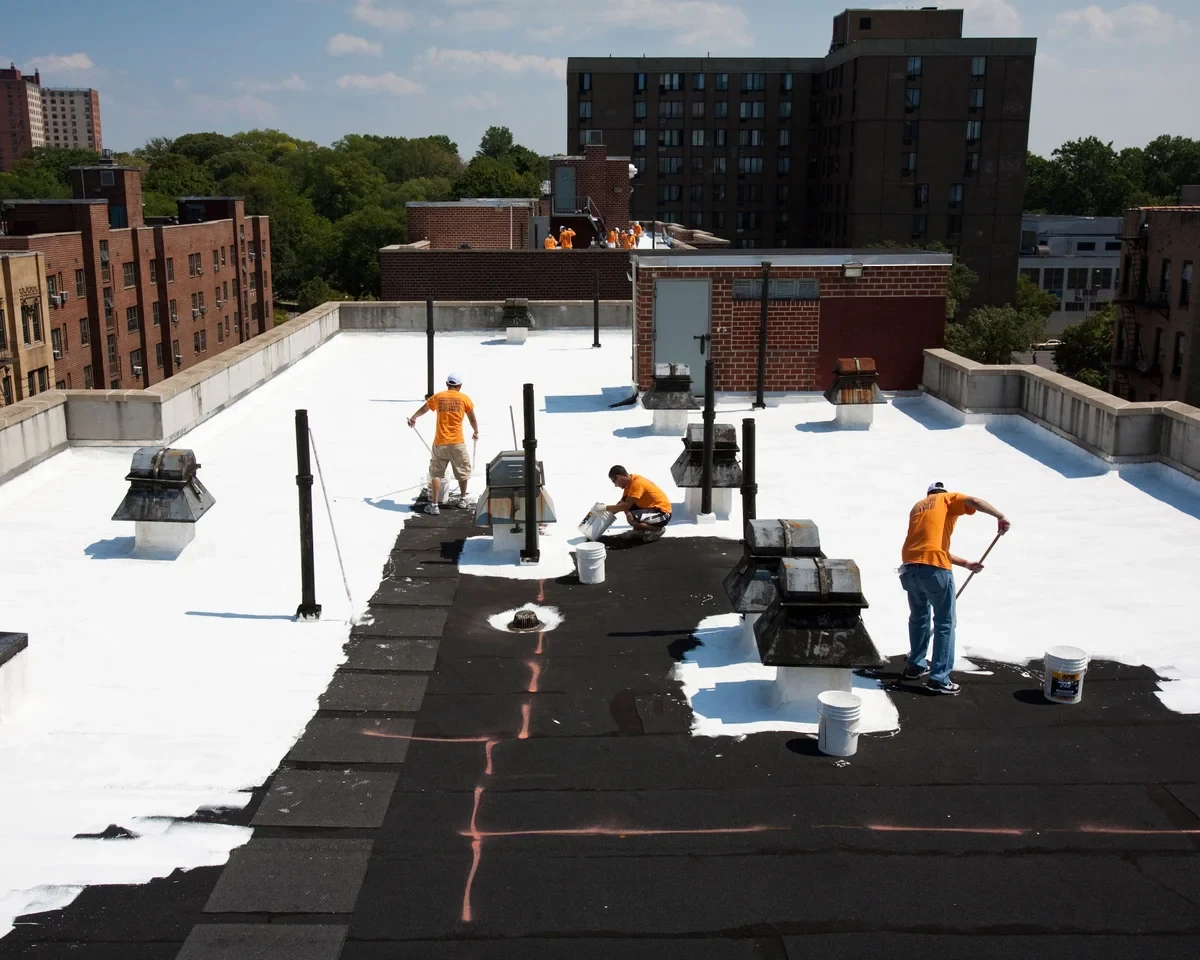
- Suited to recover projects on existing built-up roof assemblies
Wind Uplift Considerations
Modified bitumen roofs get their uplift resistance largely from the strength of the bond between plies and to the substrate, whether that bond is torch-fused or adhesive. Fort Smith's exposure to tornado-alley wind events means we pay close attention to edge and corner detailing on modified bitumen roofs, since that is where uplift pressure concentrates and where a poorly bonded lap is most likely to start failing first.
Humid Summer and Ice-Storm Behavior
The humid Arkansas summer heat softens asphalt more than it affects a synthetic single-ply membrane, and SBS modification is specifically what keeps that softening in check , without it, plain asphalt can slump or blister under repeated heat cycling. In winter, occasional western Arkansas ice storms put freeze-thaw stress on laps and flashing details, and SBS flexibility helps the membrane tolerate that movement better than unmodified built-up roofing would.
Where We Use Modified Bitumen in This Market
We spec SBS modified bitumen mainly on re-roof and recover projects where the existing building was originally built-up roofing and the deck, insulation, and parapet detailing are already set up for a multi-ply system. For new construction and most standard warehouse or distribution re-roofs, single-ply TPO or PVC is usually the more cost-effective choice, but modified bitumen stays the right call on the buildings it fits, and we say so directly rather than steering every job toward the same system regardless of what the existing roof calls for.
Modified Bitumen Questions
Is SBS modified bitumen more durable than a single-ply membrane?
It offers multi-ply redundancy that single-ply systems do not have, which some owners value highly. Overall durability depends on installation quality, maintenance, and the specific exposure conditions at each building.
Can modified bitumen be installed over an existing built-up roof?
Sometimes, if the existing roof passes inspection for moisture and structural condition. We check for trapped moisture in the existing insulation before recommending a recover rather than a full tear-off.
Is torch-applied installation safe on occupied buildings?
It can be, with proper fire watch procedures and coordination, though many owners and insurance carriers prefer cold-adhesive application on occupied buildings to eliminate open-flame risk entirely.
Does modified bitumen need reflective coating to perform well in summer?
A reflective coating reduces rooftop heat gain and can extend cap sheet life, and we recommend it on buildings where cooling cost or membrane longevity is a priority. Standard granule-surfaced cap sheet performs adequately without it on many buildings.
How does modified bitumen handle hail compared to TPO?
The granule surface provides different impact behavior than a thermoplastic membrane, absorbing strike energy at the surface rather than flexing the whole sheet. Neither system is hail-proof, and thickness plus installation quality matter more than the general system type.