Commercial Roof Insurance Claim Assistance in Fort Smith, AR
A commercial roof insurance claim usually turns on one thing: whether the damage was documented well enough, early enough, for an adjuster to see what actually happened. We're a Fort Smith roofing contractor, not a public adjuster, and the distinction matters. Our job is to get on the roof, measure and photograph what's there, and build a scope that reflects the full extent of the damage , not to negotiate your claim or promise what the carrier will pay.
A note on our role: we're your roofing contractor, not a public adjuster. We inspect, document, and substantiate the roof damage so you and your adjuster are working from the same accurate scope. We don't file the claim, negotiate with the carrier, or promise a payout.
What a Claim Actually Requires
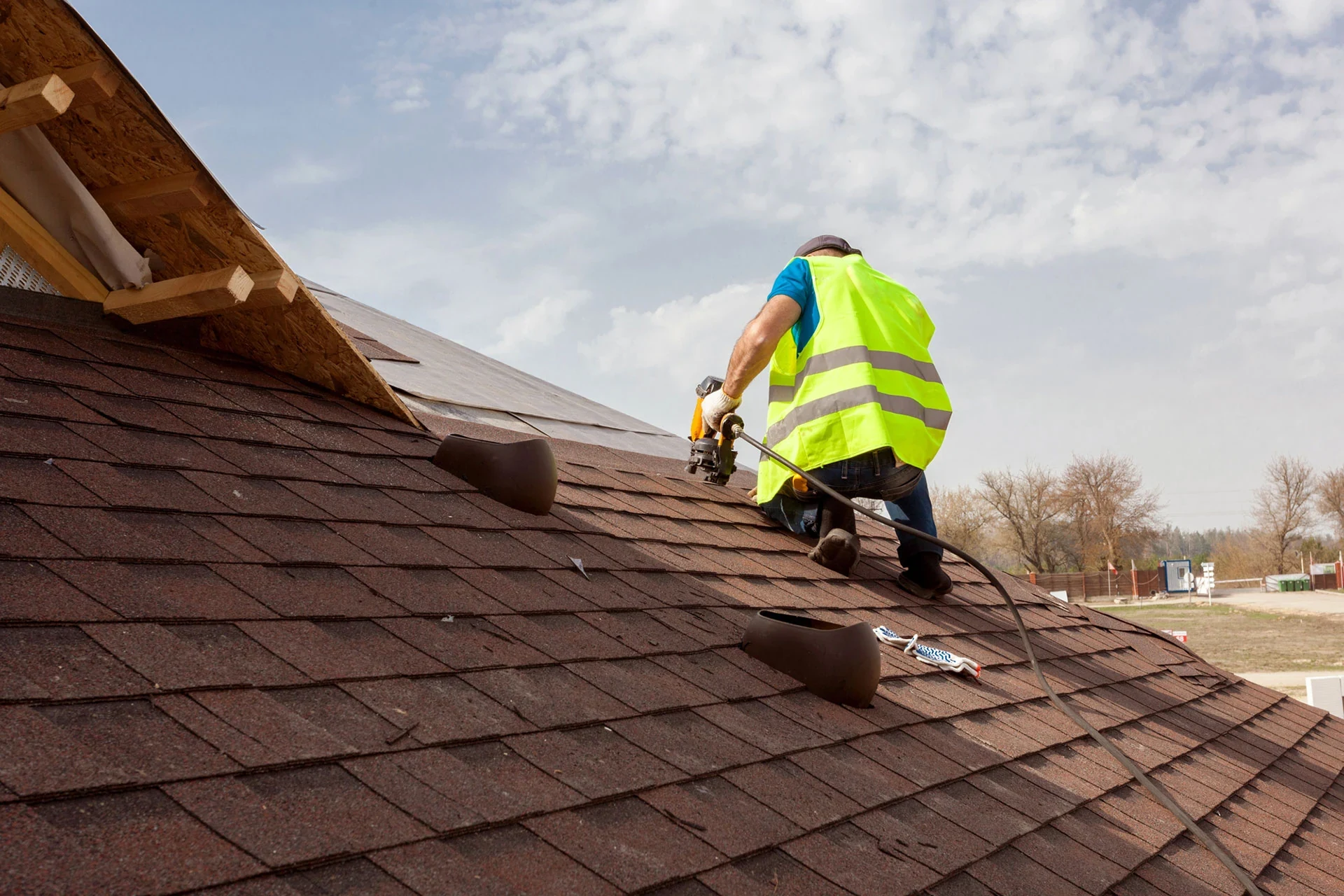
Most disputed roof claims come down to a documentation gap, not a coverage dispute. An adjuster who sees a handful of ground-level photos and a verbal description has far less to work with than one who receives measured hail impact counts, moisture scan results, and dated photo sets showing the same damage from multiple angles. We treat documentation as the deliverable: full-roof photo coverage that includes sections beyond the obviously damaged ones, plus moisture readings where a membrane may have taken on water without an obvious surface break.
Meeting the Adjuster on the Roof
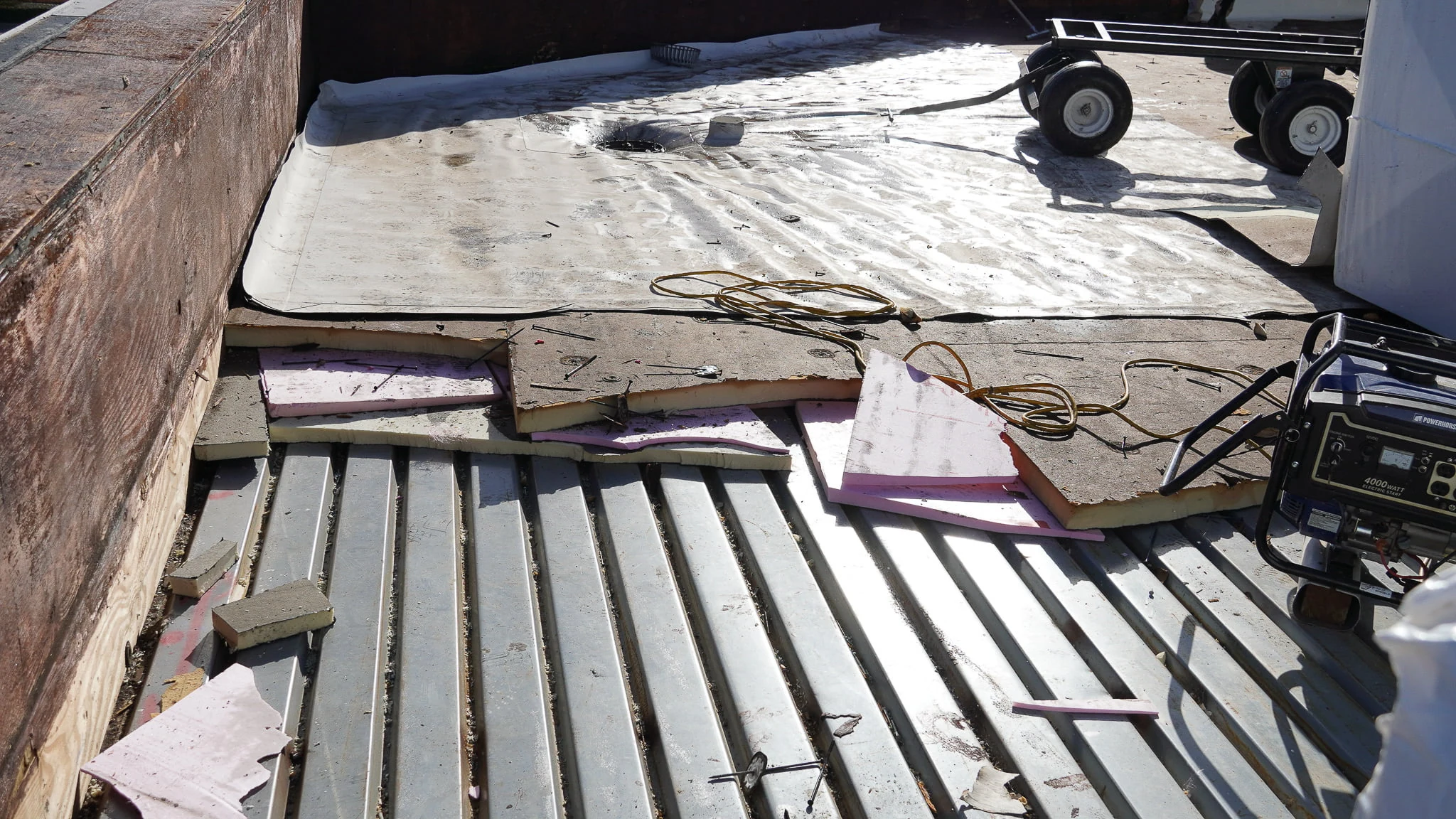
When it's useful, we walk the roof alongside the adjuster and point directly to what we found , a bruised membrane section here, a lifted seam at the parapet there, a section of exposed deck near a penetration. We answer factual questions about roof construction and what we observed during inspection. What we don't do is characterize what the adjuster should conclude or argue coverage on your behalf; that conversation is between you, your public adjuster if you've hired one, and the carrier.
Building the Complete Scope
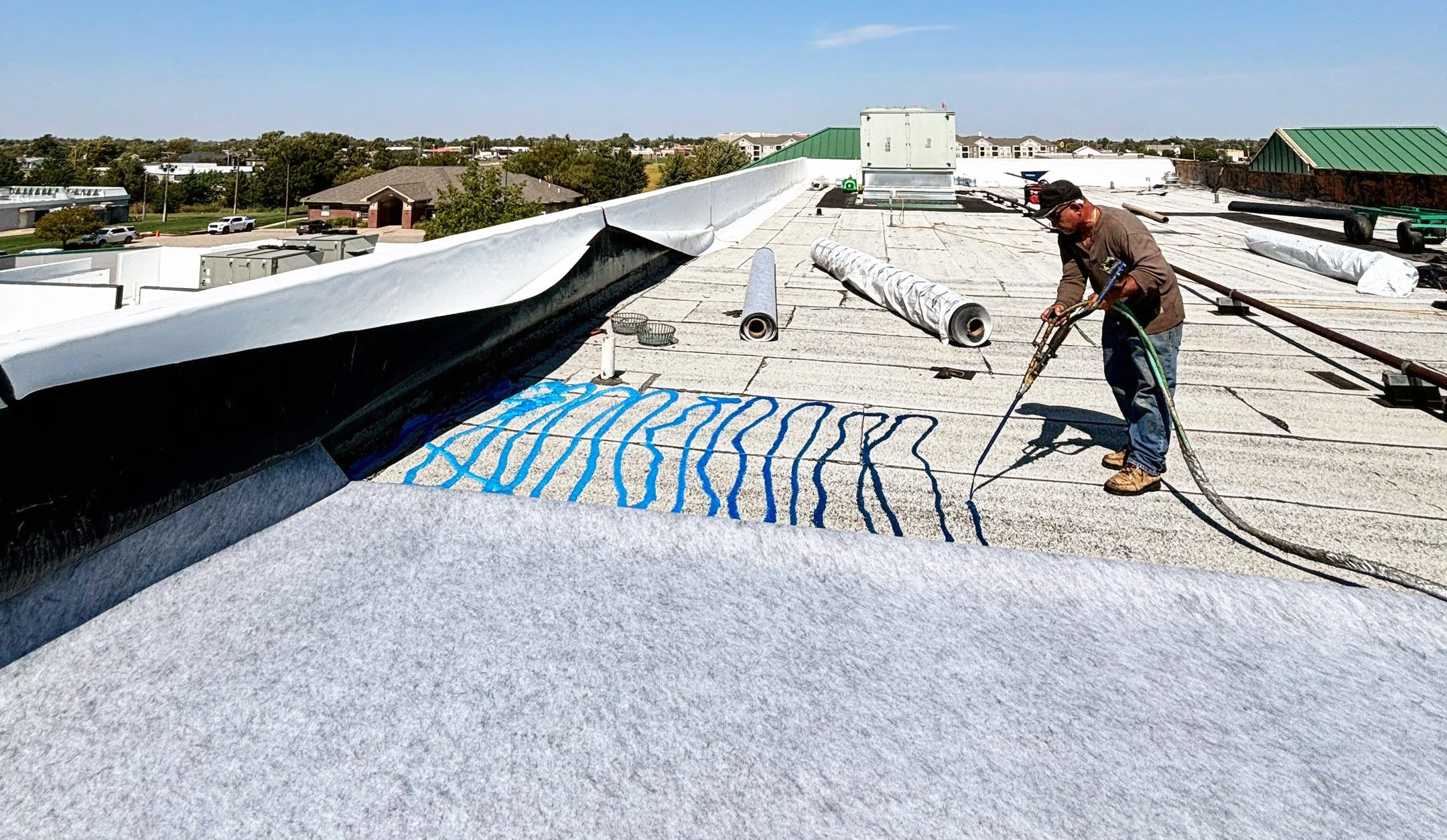
A roof scope that only covers the visibly damaged squares often leaves out the parts of the job that make a repair code-compliant and durable: matching an existing membrane color and thickness across a repaired section, bringing edge metal and coping up to current wind-uplift requirements, or addressing a drain that was already borderline before the storm added debris to it. Leaving those out isn't a favor to anyone , it just means the building owner pays for a second round of work later. We itemize the full repair scope, including code-driven upgrades and matching requirements, so what goes to the carrier reflects the whole job, not a trimmed-down version of it.
When a Claim Comes Back Denied or Underpaid
A denial or a lowball estimate is often the result of an initial inspection that missed something , a section of roof that wasn't walked, a moisture pocket that wasn't detected, damage that looked cosmetic from a distance but wasn't up close. When that happens, we can go back up, re-inspect the disputed areas, and produce supplemental documentation: additional photos, a written description of what was missed the first time, and measurements that support a revised scope. We provide that documentation factually and let you and your adjuster decide how to use it; we don't guarantee it will change the outcome.
Fort Smith's Roof Stock and Where Scope Gets Missed
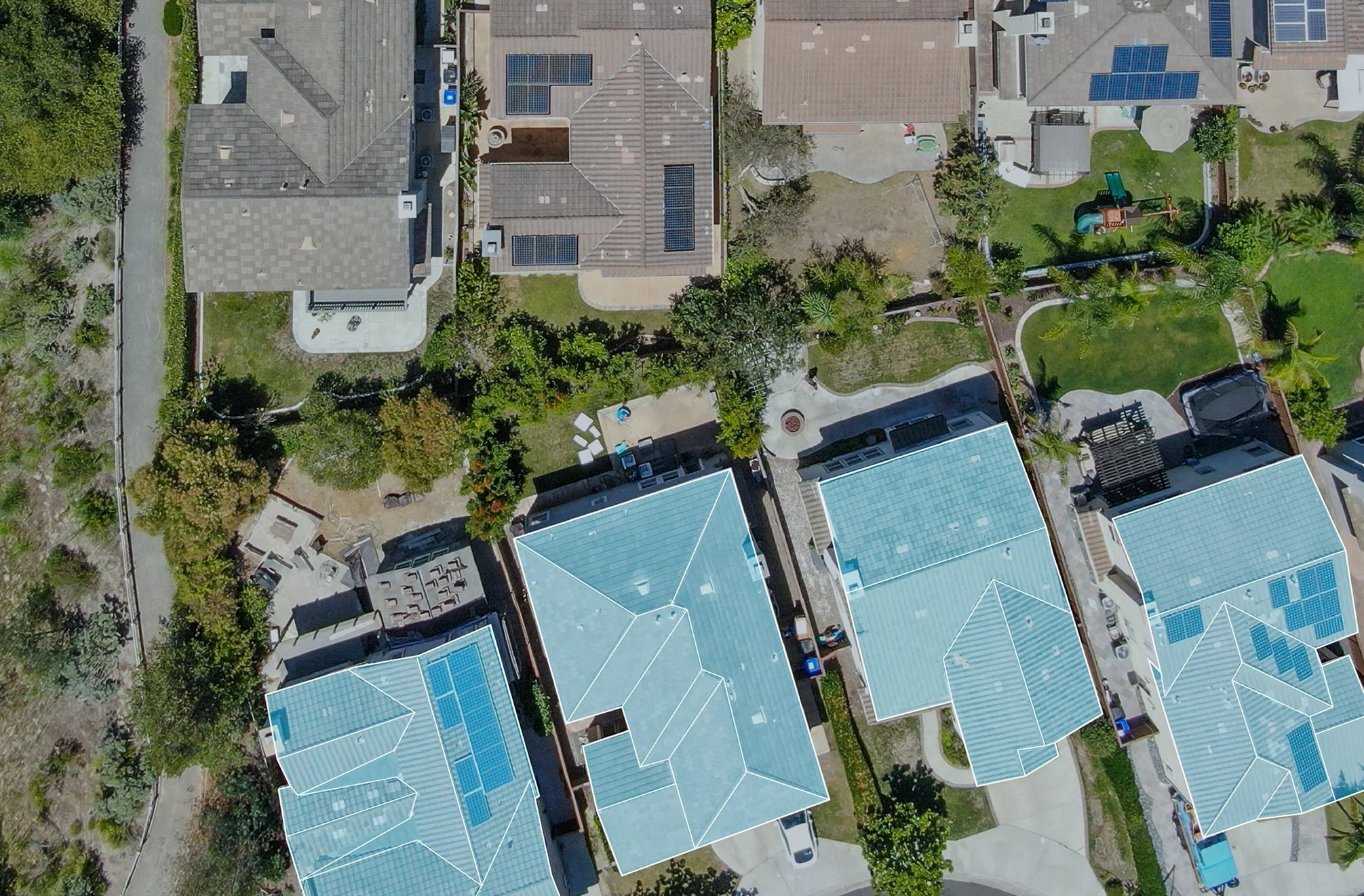
Fort Smith's building stock covers a lot of ground, and each type tends to hide damage differently. The manufacturing buildings coming back online around the Fort Chaffee redevelopment mix older built-up and modified bitumen sections with newer single-ply retrofits, and a hail or wind event can affect each material differently on the same roof. The river-port industrial buildings along the Arkansas River often carry decades of patch work over the original membrane, which makes it harder to tell new storm damage from old wear without a documented baseline. Downtown, the brick commercial buildings along Garrison Avenue tend to have smaller, more complex roofs with more penetrations and parapet detail per square foot, which means more places for wind to find a weak point. And the distribution and logistics buildings clustered near the I-40/I-49 junction are large enough that a partial inspection can genuinely miss damage on the far side of the roof from where the crew started. We plan the inspection around the building type, not a generic checklist.
Frequently Asked Questions
Does insurance typically cover commercial roof replacement?
It depends on the policy and the cause of loss. Most commercial property policies cover sudden, storm-related damage like hail or wind, subject to the policy's specific terms, deductible, and any roof-age or actual-cash-value provisions. We can tell you what we find on the roof; whether it's a covered loss is a determination your insurer makes based on your policy.
What does the claim process generally look like from the roofing side?
Typically it starts with an inspection and documentation, sometimes before you've even filed, so you know what you're dealing with. Once a claim is open, we're available to meet the adjuster on the roof and provide our findings. After the carrier issues a scope and estimate, we review it against our own documentation and flag anything that looks incomplete.
What if our claim gets denied?
A denial isn't always the end of the conversation. We can re-inspect and provide additional documentation if something was missed, particularly on damage that's easy to overlook from a single site visit. From there, it's between you and your carrier, or a public adjuster or attorney if you choose to bring one in.
Should we get a roof inspection before we even file a claim?
Generally yes. Having a factual, documented picture of the damage before you file gives you and your adjuster a shared reference point from the start, rather than reconstructing the timeline after the fact.
Is repair or full replacement the right call after storm damage?
That depends on the extent and distribution of the damage, the roof's remaining service life, and whether a partial repair can be matched to the existing system without creating future leak points. We document what we find and lay out both options with their tradeoffs; the decision on how to proceed is yours.
Do you handle the insurance paperwork for us?
No. We produce the inspection findings, photo documentation, and repair scope. Filing, corresponding with the carrier, and negotiating settlement terms are steps you handle directly, or through a public adjuster if you've retained one.