Roof Work Scheduled Around Fort Smith Production Lines
A manufacturing roof carries more equipment, more penetrations, and more consequences for downtime than almost any other building type we work on. In Fort Smith, that roof also has to survive Arkansas River Valley hail and straight-line wind without putting a production floor at risk. We plan every job around how the plant actually runs, not around the membrane alone.
A Plant Roof Carries a Different Load Than a Storefront
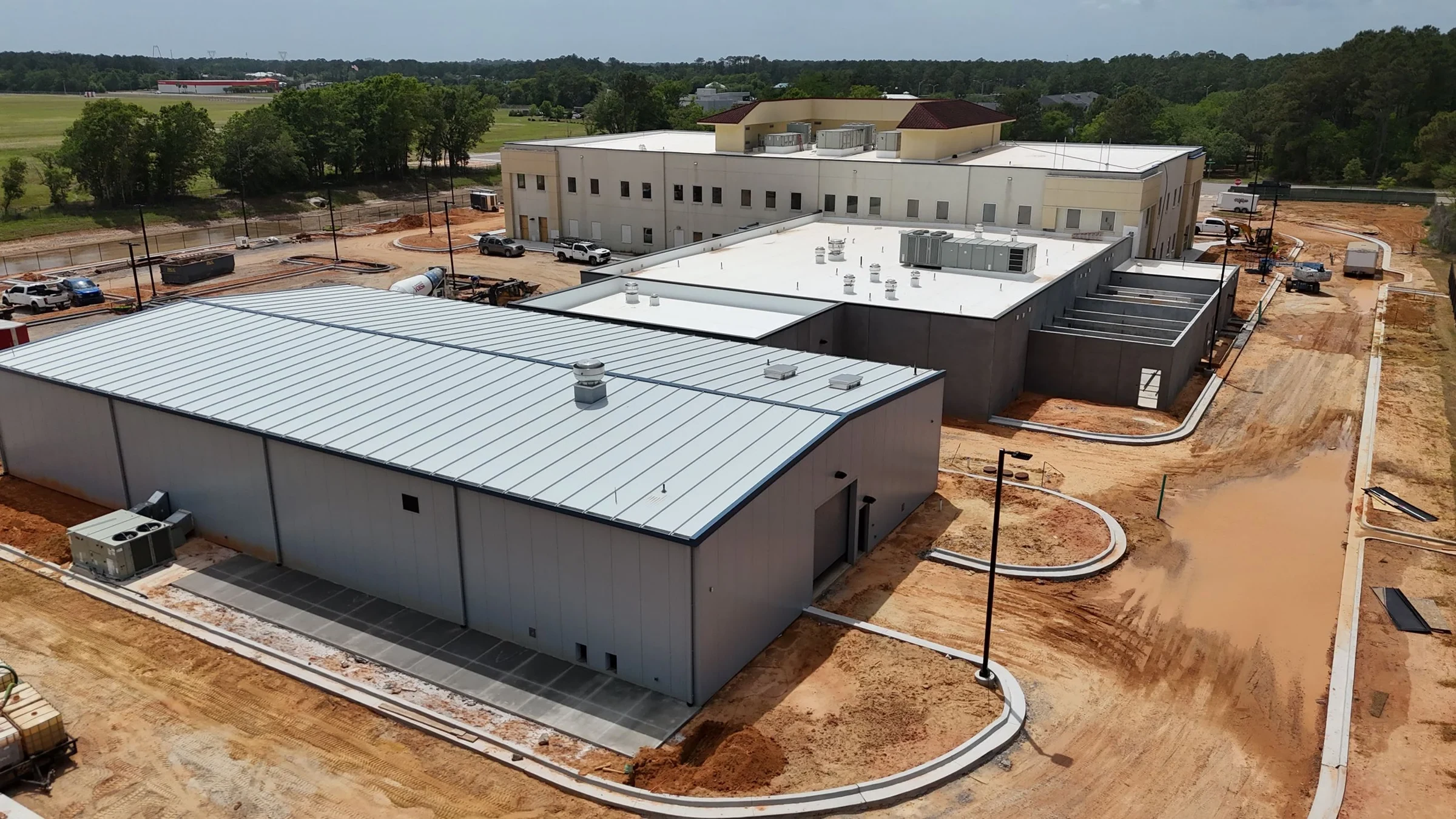
Retail and office roofs mostly deal with HVAC curbs and the occasional satellite dish. Manufacturing roofs carry process exhaust fans, dust collection ductwork, compressed air lines, sprinkler riser penetrations, and sometimes overhead crane rail supports bearing on the structure below. Every one of those penetrations is a place water can find its way in, and on an older metal-deck building the flashing details around them were often done in stages, by different trades, over different decades.
We start manufacturing assessments at the deck, not the membrane. If the steel deck has corrosion from years of interior humidity or chemical off-gassing, no amount of new membrane fixes the underlying problem. That's a conversation we have honestly, even when the answer isn't the one that gets us the fastest signed contract.
Sebastian County's Manufacturing Base
Fort Smith's industrial economy runs on electric motor and appliance component production, poultry and food processing, and metal fabrication, much of it concentrated along the Wheeler Avenue and Zero Street corridors and out toward the I-540/I-40 interchange. Plants like these often run multiple shifts, which means the roof is almost never empty, and any work plan has to account for people and product moving underneath the area being repaired.
Food-grade operations add another layer: dust and debris control matters as much on the roof as it does on the floor below, because a mechanically attached membrane replacement can shake loose material into HVAC intakes positioned too close to the work zone. We coordinate intake locations and wind direction before we ever set up.
Production-Line Constraints We Plan Around
Every manufacturing site we've worked hands us a different list of restrictions the day we walk the roof. The common ones we build into a schedule before pricing a job include:
- Shift changes and line-down windows that limit when loud roof-top work can happen
- Hot-work and confined-space permitting required before torches or grinders come out
- Dust and contamination control near food-processing or coating-line intakes
- Crane and forklift staging areas that can't be blocked by material laydown
- Fire-watch requirements tied to nearby chemical storage or spray booths
- Access points that avoid running equipment or occupied production bays below
None of that is unusual to us, but it does mean a manufacturing bid takes longer to put together than a retail strip job. We'd rather spend the extra time up front than discover a conflict mid-project.
Hail and Straight-Line Wind in the River Valley
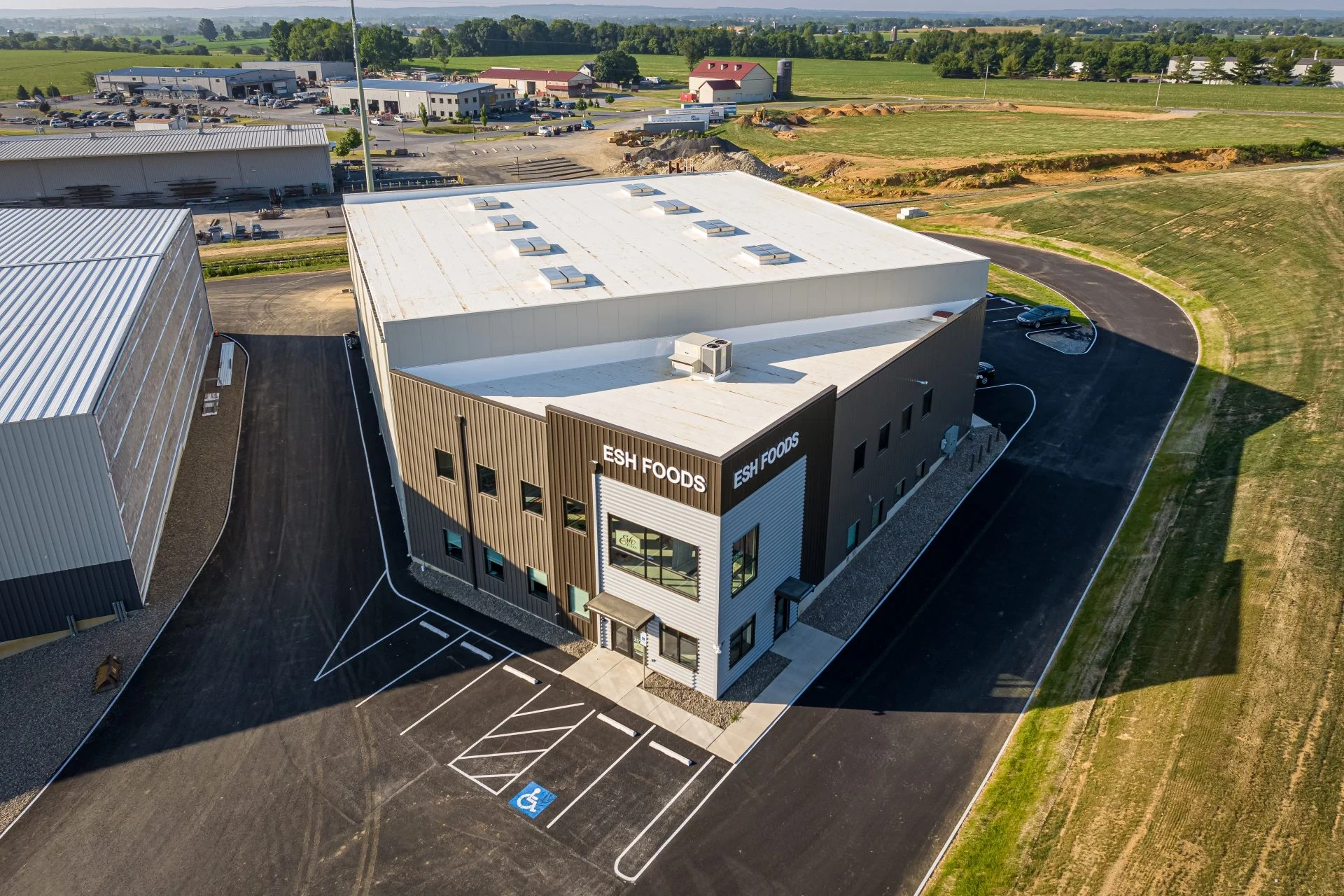
The Arkansas River Valley sits in a corridor that sees hard spring storm systems move through with hail and gusting wind well before they reach points east. A manufacturing roof with a large, flat footprint takes that impact across a wide surface, and older ballasted or loosely mechanically attached systems are more prone to membrane movement and seam stress in high wind than fully adhered systems.
When we spec a membrane for a Fort Smith manufacturing building, wind uplift resistance and hail impact rating both factor into the recommendation, along with what the insurance carrier will want to see documented if a claim ever comes up. We photograph and log pre-existing conditions before work starts specifically so there's no ambiguity later about what damage predates a storm versus what came from it.
Coordinating With Plant Engineering and Facilities Staff
Most manufacturing sites have an in-house facilities or plant engineering contact who knows the building's history better than any outside contractor will on day one. We treat that person as the primary source of truth on prior repairs, known leak locations, and equipment tie-ins, rather than assuming our inspection catches everything a decade of institutional knowledge already knows.
That coordination extends to sequencing. If a line is scheduled for a planned shutdown for maintenance reasons unrelated to the roof, that's often the best window for us to work directly above it, and we'll build our timeline around that calendar rather than asking the plant to adjust to ours.
Manufacturing Roofing Questions We Get in Fort Smith
Can roof repairs happen without shutting down a production line?
In most cases, yes. We section off work areas, control access points, and schedule noisy or disruptive tasks around shift patterns so the floor below keeps running. Full reroofs sometimes require short line-down windows near specific penetrations, and we'll flag those needs during the walk-through, not after the crew shows up.
What roof system holds up best against hail in this area?
There's no single answer for every building. Membrane thickness, attachment method, and cover board all affect hail resistance, and the right combination depends on the deck type and the building's wind exposure. We walk through the tradeoffs specific to your roof rather than defaulting to one system for every plant.
Do you handle hot-work and confined-space permitting?
We work within whatever permitting process your site already has in place, including hot-work permits, lockout/tagout on affected equipment, and confined-space entry procedures where roof hatches or mechanical wells require it. Your safety team's rules take precedence over our standard field process.
How do you deal with rooftop equipment tied into production systems?
We identify every curb and penetration tied to active process equipment during the assessment and coordinate directly with your maintenance or engineering staff before disturbing anything connected to dust collection, compressed air, or exhaust systems. Nothing gets disconnected without sign-off from your side.
How do I know if this is a repair or a full reroof?
That comes down to how much of the membrane and deck are still sound versus how much has been patched over the years. We document what we find with photos and a written condition summary so you can make that call with real information instead of a sales pitch toward the bigger job.