A Roofing Sub That Doesn't Slow Down Your Schedule
General contractors don't need a roofer who shows up with opinions about the whole job. They need one who reads the spec, hits the submittal deadline, and shows up on the day the schedule says to show up. We bid, submit, and execute as a subcontractor first, and we structure our shop drawings and product data the way your project engineer expects to receive them.
New Construction Around Chaffee Crossing and the Air Base
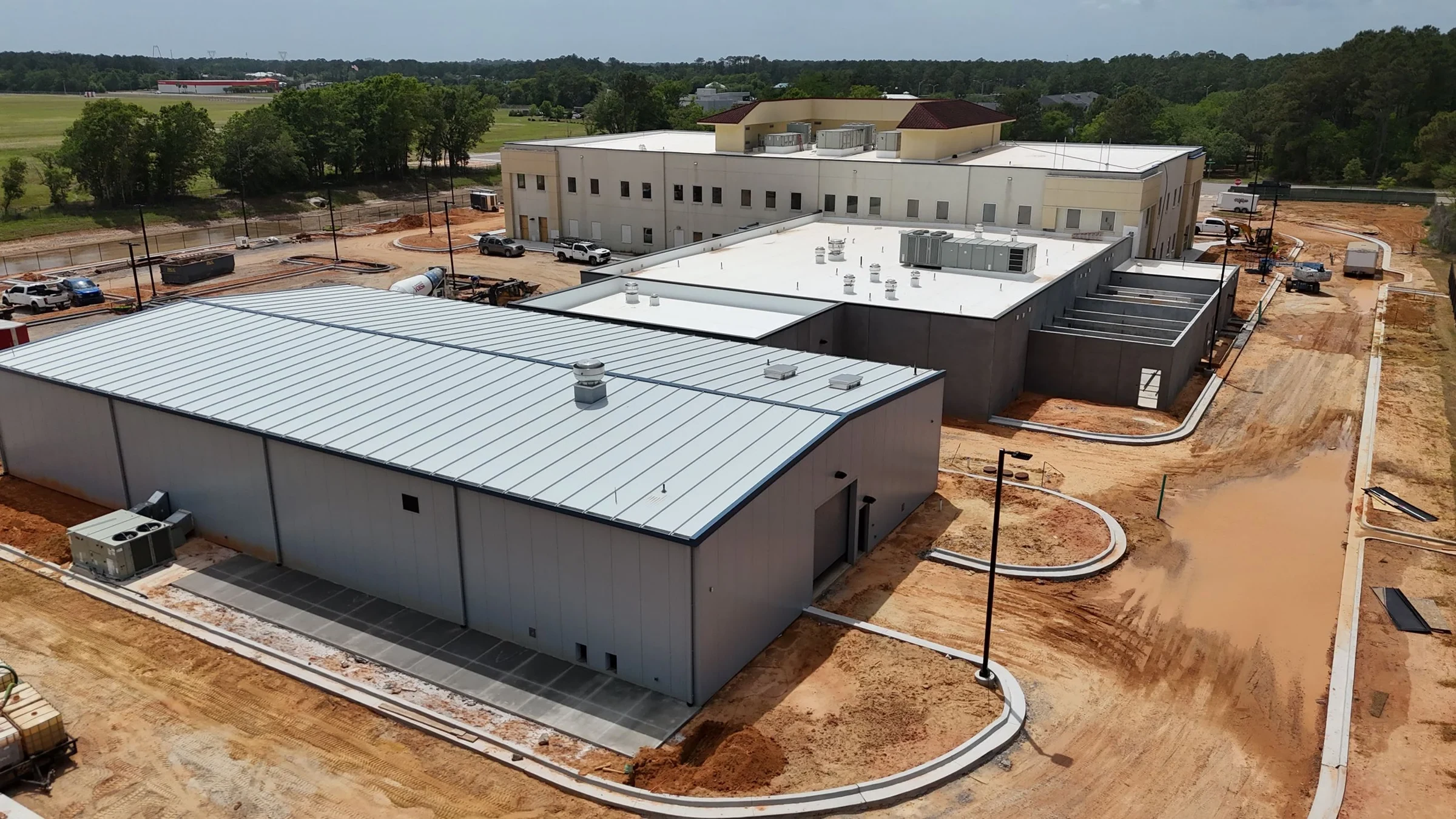
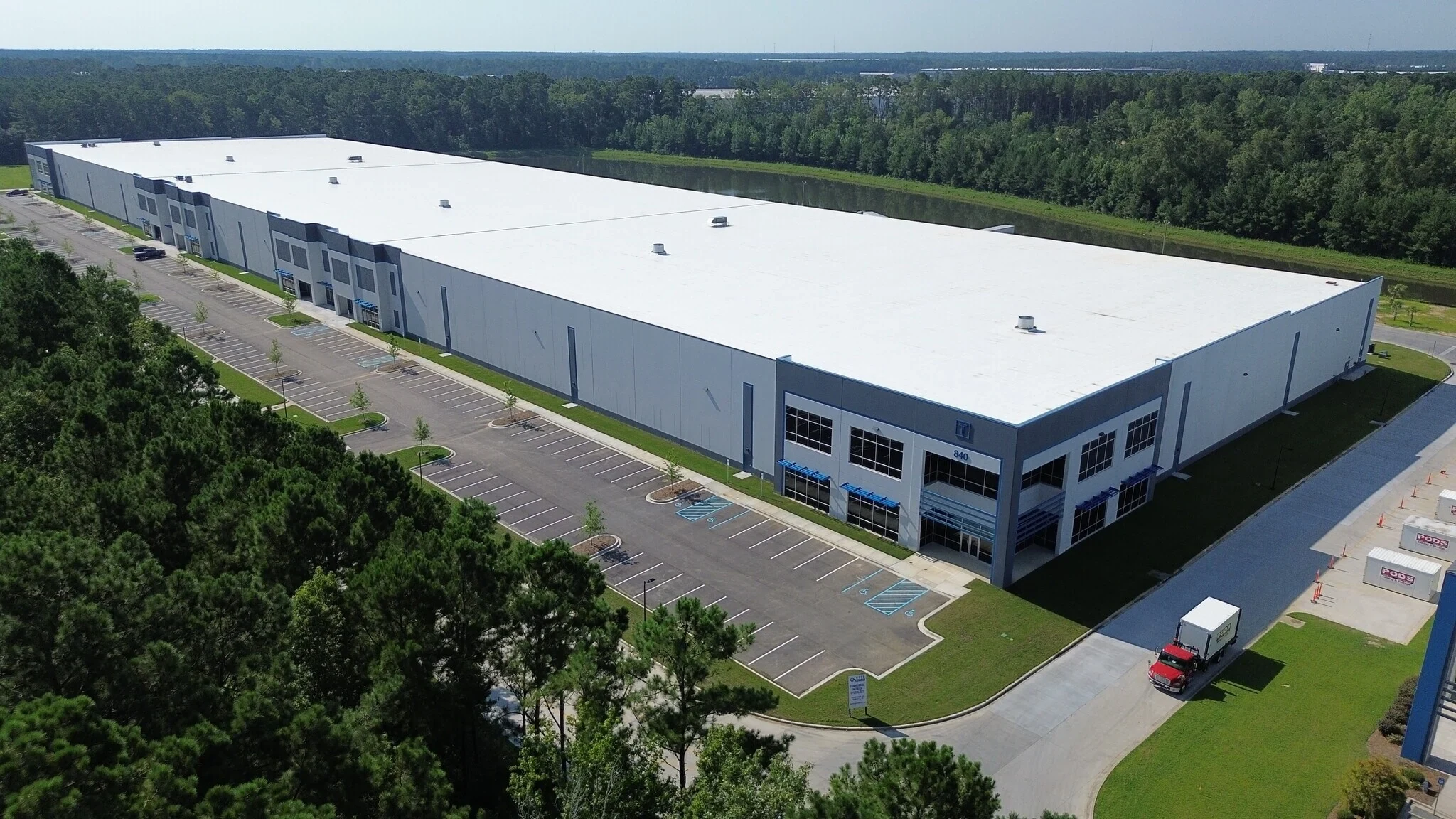
Fort Smith's construction pipeline right now leans heavily on the Chaffee Crossing redevelopment district and the buildup tied to the foreign pilot-training mission at Ebbing Air National Guard Base. Both are drawing new manufacturing shells, support buildings, and institutional projects, including work connected to the osteopathic medical school campus at Chaffee. That kind of growth means more GCs bidding design-build and hard-bid packages that include a standing-seam metal or single-ply membrane roof as a line item, often on a compressed schedule tied to a funding deadline.
We've priced enough of these packages to know what reviewers on a government or institutional job want to see in a submittal: manufacturer data sheets matched exactly to the spec section, wind uplift calculations for the actual site exposure category, and a warranty term that doesn't require exceptions buried in fine print.
What We Need From You to Bid Accurately
A roofing take-off is only as good as the drawings and spec section it's built from. Incomplete roof plans or a spec that conflicts with the structural drawings cost everyone time in RFIs later, so we flag discrepancies during the bid phase rather than after we're under contract.
We also price change orders the same way we price the original scope: itemized, with unit costs your project manager can check against the base bid instead of a lump-sum number that's hard to audit.
What a Clean Roofing Sub-Bid Includes
Fort Smith GCs juggling multiple trades on a compressed schedule tend to appreciate the same handful of things from a roofing sub, in this order of how often it actually saves the job:
- A submittal package that matches the spec section number for number, not a close approximation
- A crew schedule that's committed to before other trades sequence around it
- Coordination with mechanical and electrical on rooftop curb locations before steel goes up
- A punch-list turnaround measured in days, not weeks
- Warranty documentation transferred to the owner without delay at closeout
- Daily communication when weather or supply delays affect the roofing sequence
That last point matters more in a region with unpredictable spring storm systems than it does somewhere with a flatter weather pattern. We tell you when a delay is coming before it shows up on a schedule update.
Coordinating the Roof With Every Other Trade Above the Deck
Rooftop mechanical units, solar-ready conduit, fall-protection anchors, and lightning protection systems all land on the same surface we're responsible for sealing. When those trades sequence out of order, we end up cutting into finished membrane to accommodate a curb that should have been set before dry-in. We push to get on the coordination call early enough to flag those conflicts before they become field problems.
On tenant build-outs and shell-and-core projects, we also work directly with the architect of record when roof-mounted equipment changes mid-project, since a revised RTU location can shift structural loading and flashing details in ways that need documentation, not a verbal field change.
Manufacturer Warranty and Closeout
A roof warranty is only as strong as the installation behind it, and manufacturers require documented inspections at set points during installation to honor a full system warranty. We schedule those inspections proactively rather than waiting until closeout to discover a gap in the paperwork that delays certificate issuance.
At project closeout we hand over as-built roof plans, warranty registration, and maintenance guidelines in the format your owner's rep expects, sized to whatever closeout checklist governs the project, whether that's a private developer or a public entity.
Questions Fort Smith GCs Ask Before Bringing Us On
Can you turn a submittal package around fast enough for a compressed schedule?
Yes, and we'd rather know your submittal deadline at the time of bid so we can staff for it. A rushed submittal that gets bounced back for corrections costs more time than a realistic deadline set up front.
Do you carry the insurance and bonding a Chaffee Crossing or base-related project requires?
We provide current insurance certificates and bonding information as part of the bid package on any project that requires it. Send the specific requirements with the bid invitation and we'll confirm before submitting.
How do you handle weather delays on an exterior trade like roofing?
We track forecasts against our sequence and flag likely delay windows to your project manager as early as possible rather than waiting for a missed date. Storm systems in this region move fast, and a day of warning changes how you can juggle other trades.
Will you coordinate directly with mechanical and electrical on rooftop layout?
We ask to be included on rooftop coordination calls specifically so curb and penetration locations get set before membrane installation, not after. That single step prevents most of the rework we see on jobs where roofing wasn't looped in early.
What happens if a warranty inspection finds an issue after our crew has moved off site?
We address it directly with the manufacturer and your project team rather than treating it as a dispute. A punch item caught at inspection is far cheaper to fix than a leak claim two years into the warranty term.