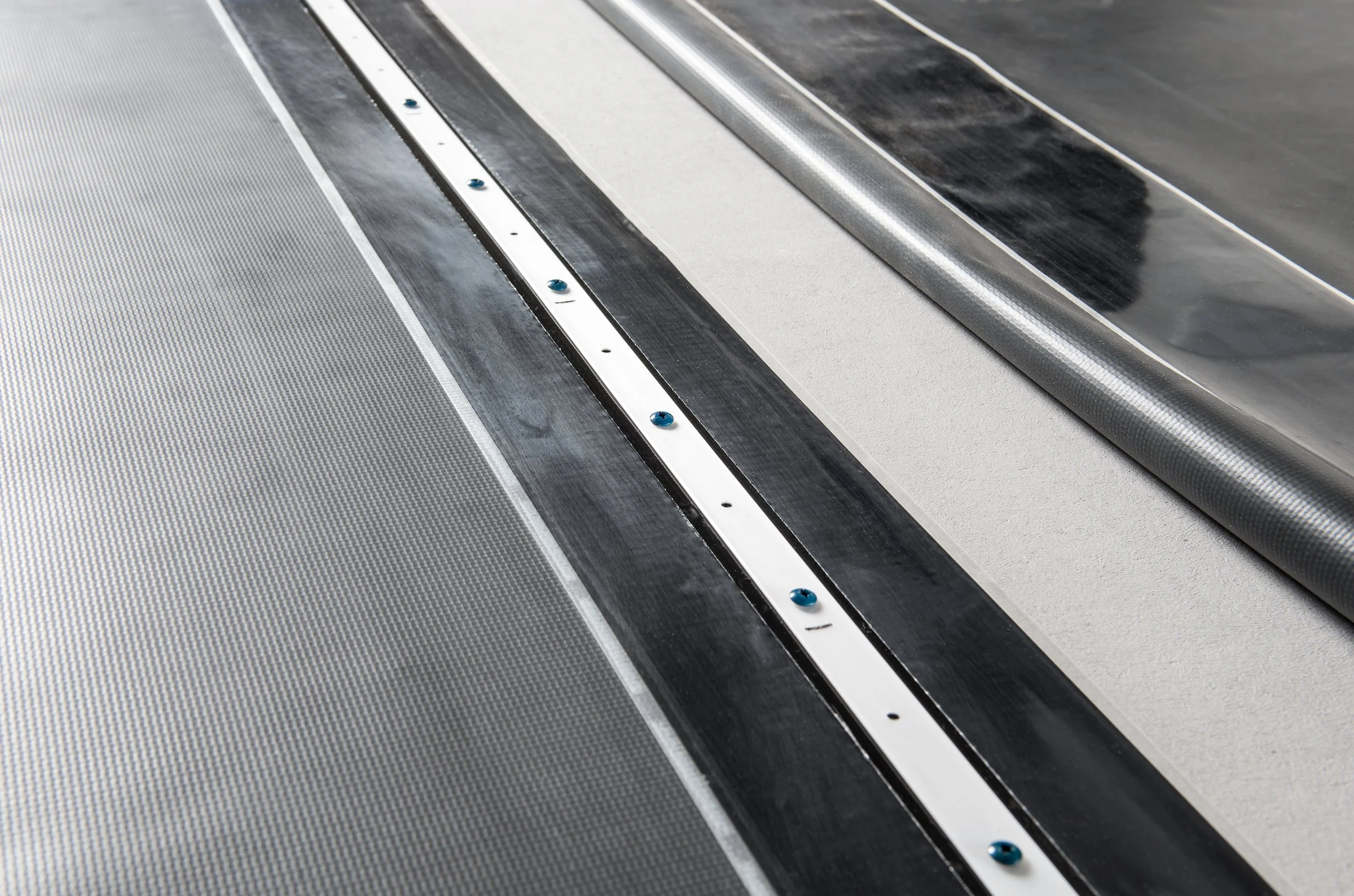
Johns Manville Roofing Products for This Market
Johns Manville manufactures a broad commercial roofing line including TPO, PVC, and modified bitumen membrane systems along with insulation, cover boards, and accessory products. We spec Johns Manville materials on Fort Smith jobs where their specific membrane line, insulation compatibility, or warranty structure is the best fit, weighing them against other manufacturers rather than defaulting to any single brand.
Membrane Product Lines
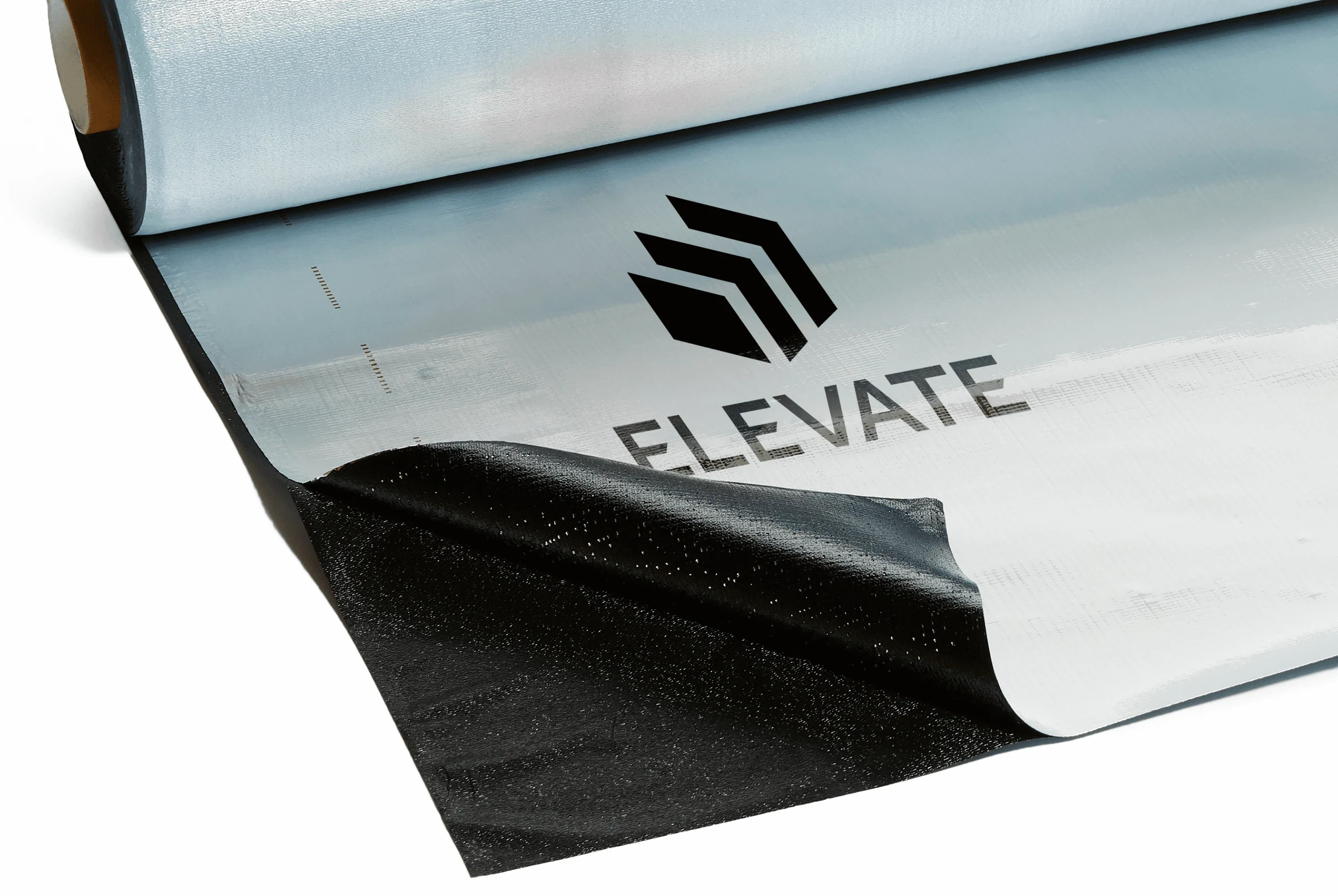
Johns Manville's JM TPO line covers their thermoplastic single-ply membrane, offered in multiple thicknesses and attachment configurations, and their JM PVC line addresses buildings with grease, oil, or chemical exposure that would degrade a standard TPO sheet faster. On manufacturing and distribution buildings around Chaffee Crossing and the I-40 corridor, we specify heavier-gauge JM TPO where hail exposure and rooftop equipment traffic call for the added durability.
Johns Manville also produces modified bitumen roofing products, relevant on recover projects for older Fort Smith and Van Buren buildings originally built with a built-up or modified bitumen roof, where the deck and parapet detailing already suit a multi-ply system rather than a single-ply retrofit.
Johns Manville also produces EPDM membrane, which we consider for buildings where thermal flexibility matters more than the reflectivity a TPO or PVC roof provides , heavily insulated cold-storage buildings supporting the food-processing and distribution activity along the I-40 corridor are the most common fit for that spec in this market.
Insulation Product Line
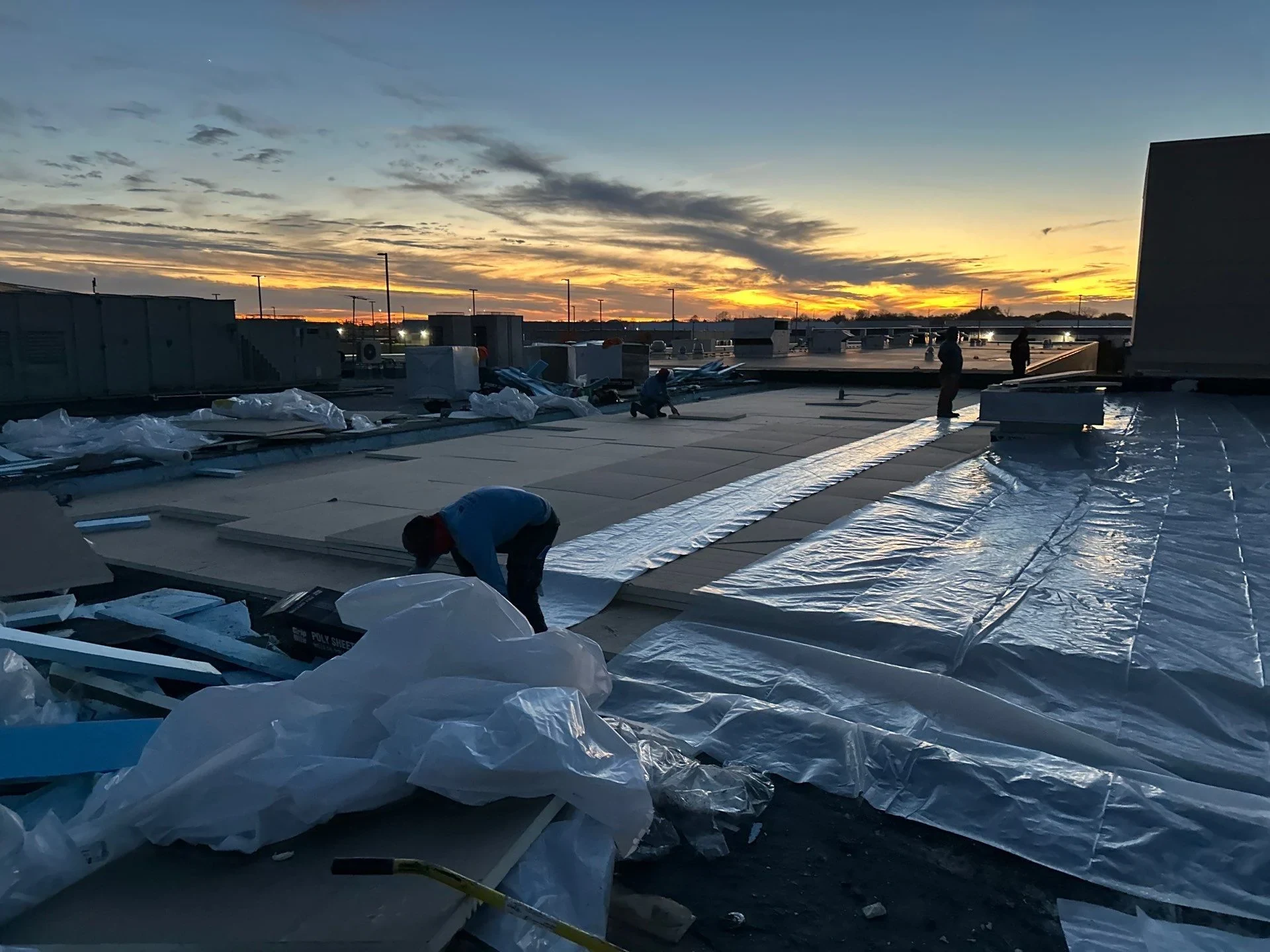
Johns Manville has a substantial insulation manufacturing background, and their polyisocyanurate and cover board products are commonly specified alongside their membranes as part of a full tested roof assembly. Matching insulation, cover board, and membrane from one manufacturer's tested assembly matters for warranty purposes, and we follow Johns Manville's specified assembly on jobs using their materials. That matters most on new construction and full tear-offs, where insulation R-value and cover board specification are being set from scratch rather than working around whatever the prior roof left behind.
- JM TPO membrane in multiple thicknesses and attachment methods
- JM PVC membrane for chemical and grease-resistant applications
- Modified bitumen product line for multi-ply recover projects
- Polyisocyanurate insulation and cover board products
- Manufacturer-matched fastening and accessory components
- Warranty terms and coverage set directly by Johns Manville at registration
Warranty and Certified Installation
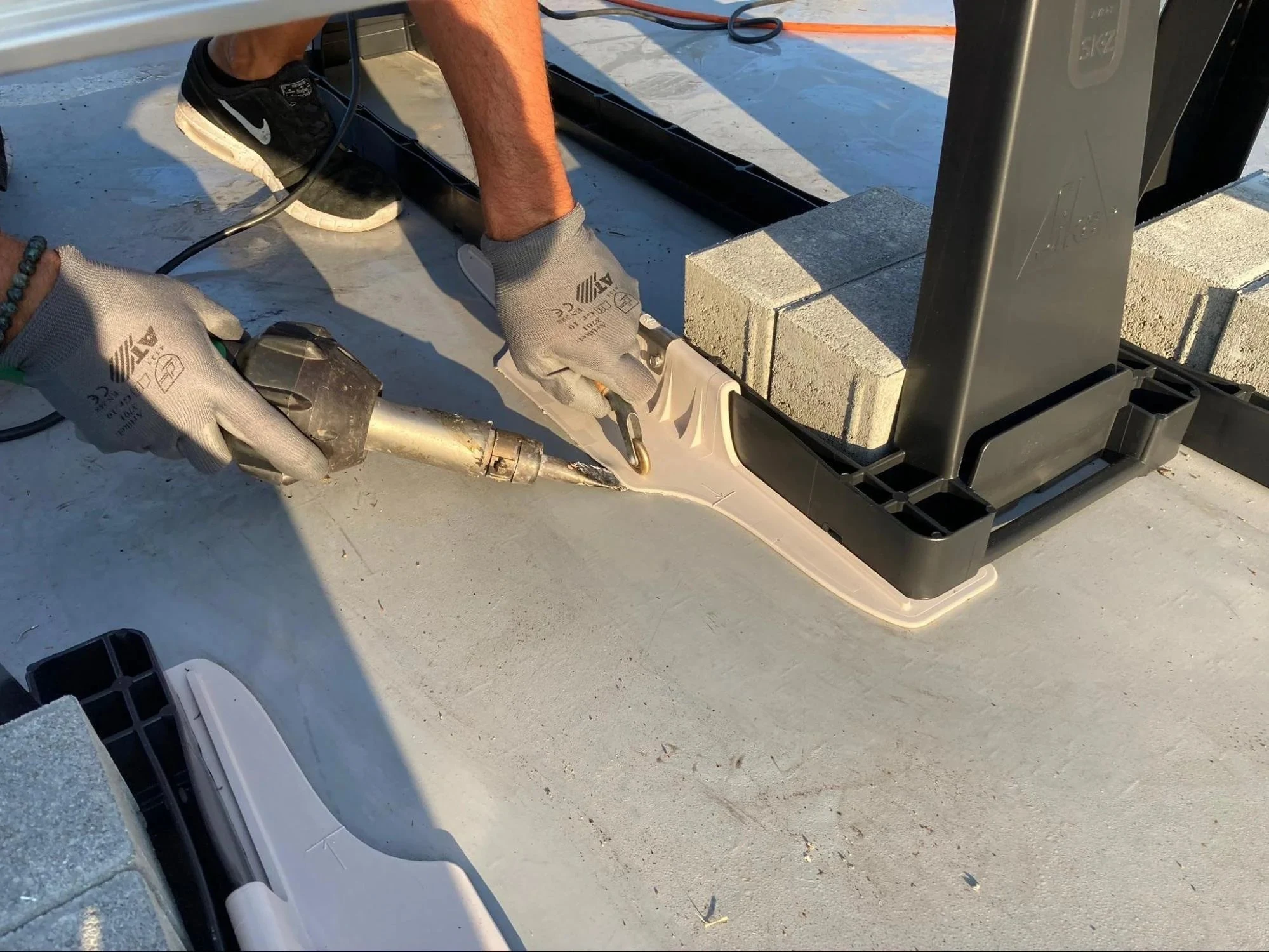
Johns Manville commercial warranty coverage typically requires installation by a contractor within their certified applicator program, following manufacturer-specified installation details at seams, flashings, and penetrations. We manage that certification compliance and warranty registration directly on any project specified with their materials, documenting fastener spacing, seam probe results, and flashing photos at each stage so the paperwork accurately reflects what is actually installed on the roof.
Matching Product to Fort Smith Exposure
Hail impact, tornado-edge wind uplift, humid summer thermal cycling, and occasional ice-storm loading are the conditions we weigh on every membrane spec in this market regardless of manufacturer. Johns Manville's heavier TPO gauges and PVC line for chemical exposure both address real, recurring conditions here rather than generalized marketing claims, and we review the actual product data sheet before recommending any specific system.
Material lead time is part of that review too, particularly after a widespread hail or wind event when several roofs in the same market need repair in a short window. We confirm current Johns Manville product availability the same way we do for any manufacturer before committing a job's timeline to a specific product line.
Why We'd Spec Johns Manville on a Given Job
We do not have an exclusive relationship with Johns Manville or any single manufacturer. Their combined strength in both membrane and insulation manufacturing makes them a relevant option specifically where a full assembly warranty from one source matters to the building owner, alongside jobs where their PVC line's chemical resistance is the deciding factor. We present that comparison alongside quotes referencing at least one other manufacturer's product line whenever a project's scope justifies it, so the owner sees the actual tradeoffs in material cost, warranty terms, and expected performance rather than relying on us to pick a brand quietly on their behalf.
Johns Manville Roofing Questions
Does Johns Manville make roofing products suited to hail exposure?
Their heavier-gauge TPO and PVC options are reasonable choices for hail-prone roofs, comparable to similar heavy-gauge products from other manufacturers. Sheet thickness and installation quality drive actual hail performance as much as brand, so we review the current specification sheet for the exact product before making a recommendation on any hail-exposed roof.
Is JM PVC a good fit for restaurant or food-service rooftops?
Yes, their PVC membrane resists grease and oil exposure from rooftop kitchen exhaust better than standard TPO, which is relevant for food-service tenants in multi-tenant retail buildings.
Do Johns Manville warranties require a certified contractor?
Yes, their commercial warranty programs typically require installation by a contractor within their certified applicator program, which we handle directly for projects using their materials.
Does Johns Manville offer a full insulation-to-membrane warranty?
They offer assembly warranties covering compatible insulation and membrane components from their own product line when installed per their specifications. Exact terms depend on the specific system and registration tier, and we provide the full warranty documentation for the exact assembly installed on any given project.
Is Johns Manville a good option for an older built-up roof recover?
Their modified bitumen product line is a natural fit for recovering an existing built-up or modified bitumen roof where the deck and parapet detailing already suit a multi-ply system.